
This comprehensive guide will walk you through the fundamentals of small business financial analysis, from understanding basic financial statements to implementing advanced forecasting techniques. Whether you’re a startup founder looking to secure funding or an established business owner aiming to optimize performance, these practical tools and strategies will help you transform complex financial data into actionable insights.
Table of Contents
- Why Financial Analysis Matters for Small Businesses
- Essential Financial Statements Explained
- Key Financial Ratios Every Business Owner Should Track
- Step-by-Step Financial Analysis Process
- Financial Analysis Tools and Software
- Templates You Can Use
- Financial Analysis Example: Case Study
- Financial Forecasting Techniques
- How to Improve Your Financial Performance
- Common Financial Analysis Mistakes to Avoid
- Frequently Asked Questions
Why Financial Analysis Matters for Small Businesses
Regular financial analysis helps small business owners make informed decisions
Financial analysis isn’t just for large corporations with dedicated finance departments. For small businesses, it’s perhaps even more critical, as it provides the foundation for nearly every business decision you’ll make.
Identifying Growth Opportunities
Proper financial analysis reveals which products, services, or business segments are most profitable. This insight allows you to allocate resources strategically, focusing on high-potential areas while reconsidering or restructuring underperforming ones. For example, a retail shop might discover through margin analysis that their accessories line generates 40% profit margins compared to just 15% on clothing items.
Managing Cash Flow Effectively
Cash flow problems are the leading cause of small business failure. Regular analysis of your cash flow statement helps you anticipate potential shortfalls before they become crises. You’ll be able to identify seasonal patterns, plan for large expenses, and ensure you maintain adequate working capital for day-to-day operations.
Making Data-Driven Decisions
When considering major investments, expansion opportunities, or cost-cutting measures, financial analysis provides objective data to support your decision-making process. Rather than relying on gut feelings or incomplete information, you can evaluate options based on concrete financial projections and risk assessments.
Ready to Take Control of Your Business Finances?
Get our free Financial Analysis Starter Kit, including Excel templates for income statements, balance sheets, and cash flow projections.
Essential Financial Statements Explained
Before diving into analysis techniques, it’s crucial to understand the three fundamental financial statements that form the backbone of any financial analysis. These documents provide different but complementary perspectives on your business’s financial health.
Income Statement (Profit & Loss)
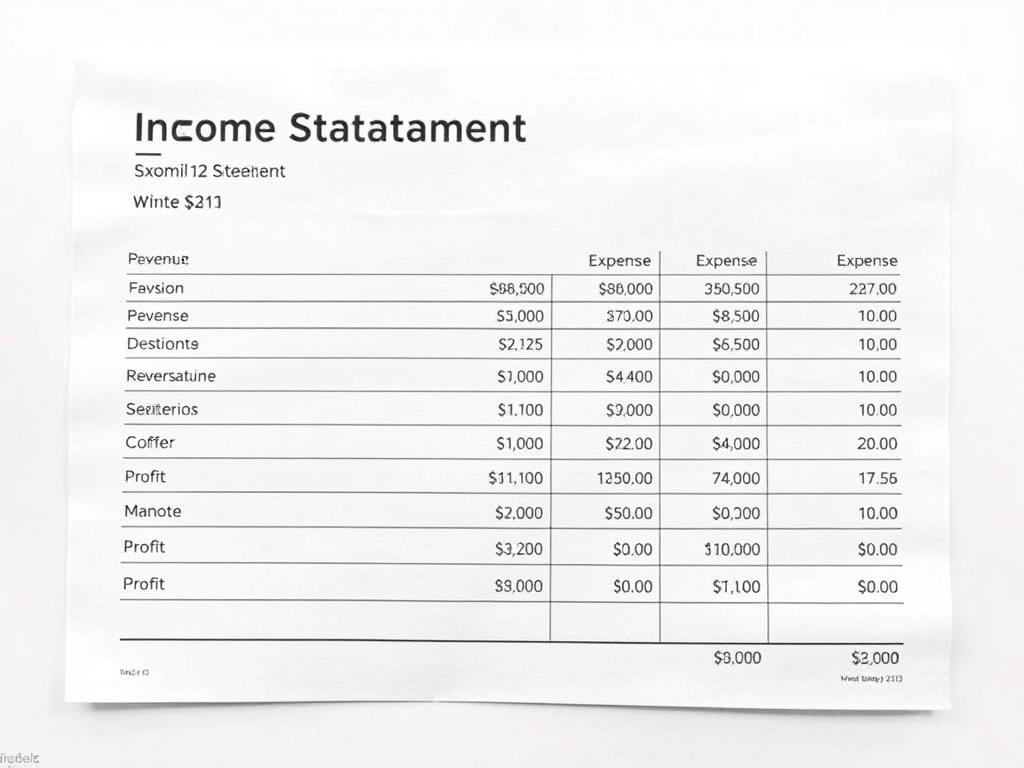
The income statement, also called a profit and loss (P&L) statement, shows your business’s revenues, expenses, and profits over a specific period—typically a month, quarter, or year. This statement answers the fundamental question: “Is my business profitable?”
Key components include:
- Revenue: Money earned from selling products or services
- Cost of Goods Sold (COGS): Direct costs associated with producing your products or services
- Gross Profit: Revenue minus COGS
- Operating Expenses: Day-to-day costs like rent, utilities, and salaries
- Net Profit: What remains after all expenses are subtracted from revenue
Balance Sheet
The balance sheet provides a snapshot of your business’s financial position at a specific point in time. It follows the fundamental accounting equation: Assets = Liabilities + Equity.
- Assets: What your business owns (cash, inventory, equipment, property)
- Liabilities: What your business owes (loans, accounts payable, credit card debt)
- Equity: The owner’s stake in the business (initial investment plus retained earnings)
The balance sheet helps you assess your business’s solvency, liquidity, and overall financial structure. It reveals whether you have enough assets to cover your liabilities and how much of the business truly belongs to the owners versus creditors.
Cash Flow Statement
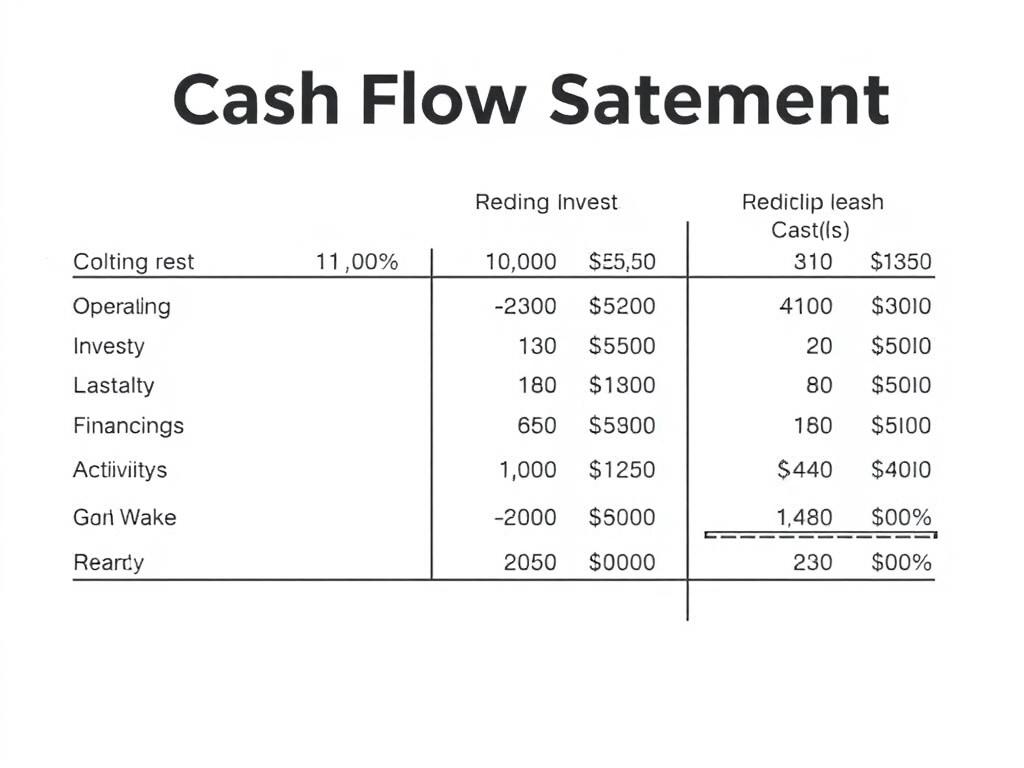
The cash flow statement tracks the actual movement of money in and out of your business. While the income statement might show a profit, your business could still face cash shortages if that profit is tied up in accounts receivable or inventory.
The cash flow statement is divided into three sections:
- Operating Activities: Cash generated from your core business operations
- Investing Activities: Cash used for or generated from investments in assets
- Financing Activities: Cash received from or paid to lenders and owners
“Cash is king. The income statement might tell you you’re profitable, but the cash flow statement tells you if you can keep the lights on.”
Key Financial Ratios Every Business Owner Should Track
Financial ratios transform raw numbers into meaningful insights about your business’s performance. They allow you to spot trends, make comparisons against industry benchmarks, and identify potential issues before they become serious problems.
Profitability Ratios
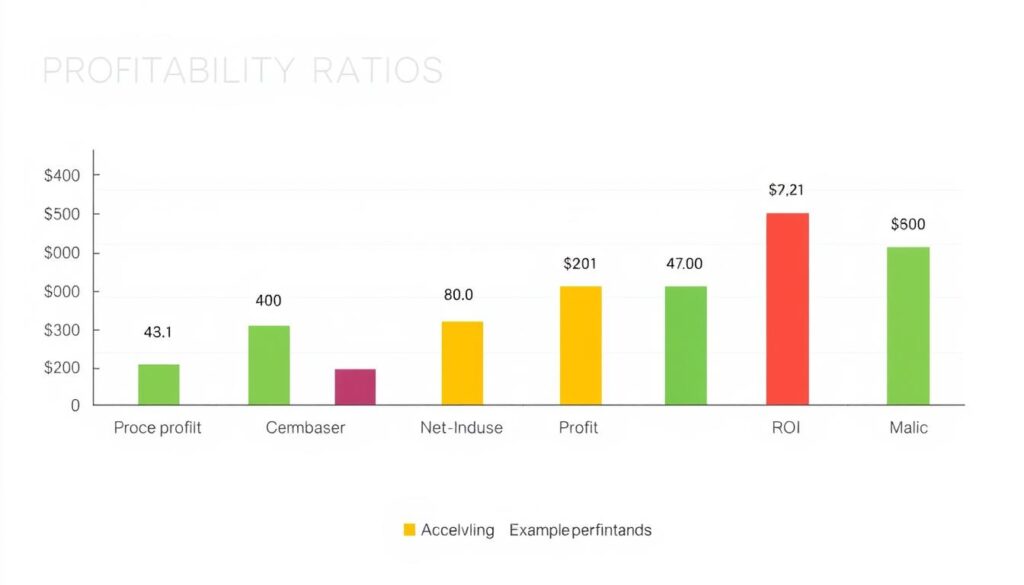
Profitability ratios measure your ability to generate earnings relative to sales, assets, and equity.
| Ratio | Formula | What It Tells You | Healthy Range |
| Gross Profit Margin | (Revenue – COGS) ÷ Revenue | Efficiency in producing goods or services | Varies by industry, typically 20-50% |
| Net Profit Margin | Net Profit ÷ Revenue | Overall profitability after all expenses | 5-20% depending on industry |
| Return on Assets (ROA) | Net Profit ÷ Total Assets | How efficiently assets generate earnings | 5% or higher |
| Return on Equity (ROE) | Net Profit ÷ Shareholders’ Equity | Return generated on owners’ investment | 15-20% or higher |
Liquidity Ratios
Liquidity ratios assess your business’s ability to meet short-term obligations and convert assets to cash quickly.
| Ratio | Formula | What It Tells You | Healthy Range |
| Current Ratio | Current Assets ÷ Current Liabilities | Ability to pay short-term obligations | 1.5 to 3.0 |
| Quick Ratio | (Current Assets – Inventory) ÷ Current Liabilities | Ability to pay short-term obligations without selling inventory | 1.0 or higher |
| Cash Ratio | Cash and Cash Equivalents ÷ Current Liabilities | Ability to cover liabilities with immediately available cash | 0.5 to 1.0 |
Efficiency Ratios
Efficiency ratios measure how well your business utilizes its assets and manages its liabilities.
| Ratio | Formula | What It Tells You | Healthy Range |
| Inventory Turnover | COGS ÷ Average Inventory | How quickly inventory is sold | 4-6 times per year (varies by industry) |
| Accounts Receivable Turnover | Net Credit Sales ÷ Average Accounts Receivable | How quickly customers pay their bills | Higher is better, typically 7-14 |
| Total Asset Turnover | Revenue ÷ Average Total Assets | How efficiently assets generate revenue | Varies by industry, typically 1.5 or higher |
Solvency Ratios
Solvency ratios evaluate your business’s long-term financial stability and ability to meet long-term obligations.
| Ratio | Formula | What It Tells You | Healthy Range |
| Debt-to-Equity Ratio | Total Liabilities ÷ Shareholders’ Equity | Proportion of financing from creditors versus owners | Less than 2.0 |
| Debt-to-Assets Ratio | Total Debt ÷ Total Assets | Percentage of assets financed with debt | Less than 0.5 |
| Interest Coverage Ratio | EBIT ÷ Interest Expense | Ability to pay interest on outstanding debt | Greater than 2.0 |
Step-by-Step Financial Analysis Process
Conducting a thorough financial analysis doesn’t have to be overwhelming. Follow this systematic approach to gain valuable insights into your business’s financial health.
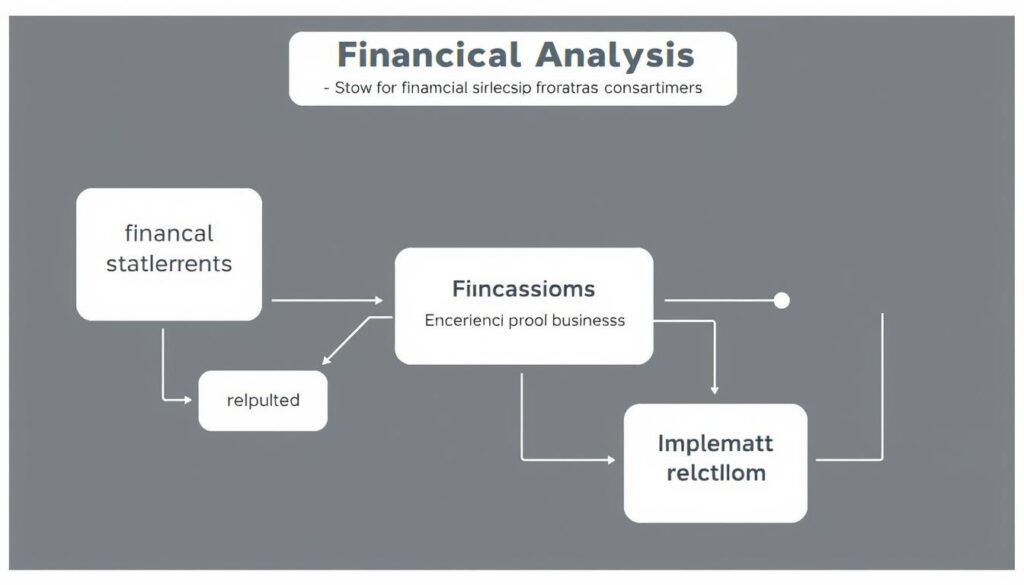
- Gather Financial StatementsCollect your income statement, balance sheet, and cash flow statement for at least the past three years (if available) and the most recent quarter. Having multiple periods allows you to identify trends and seasonal patterns.
- Calculate Key Financial RatiosUse the formulas outlined in the previous section to calculate profitability, liquidity, efficiency, and solvency ratios. Create a spreadsheet to track these metrics over time.
- Compare Against BenchmarksCompare your ratios against industry standards, competitors, and your own historical performance. Resources like the Risk Management Association’s Annual Statement Studies provide industry benchmarks for various business types.
- Analyze TrendsLook for patterns and trends in your financial data. Is revenue growing but profitability declining? Are certain expenses increasing disproportionately? Understanding these trends helps identify underlying issues.
- Perform Variance AnalysisCompare actual results to your budget or forecast. Significant variances can reveal areas that need attention or adjustment in your business operations or planning assumptions.
- Conduct Break-Even AnalysisCalculate your break-even point to understand how much revenue you need to generate to cover all costs. The formula is: Fixed Costs ÷ (Price per Unit – Variable Cost per Unit).
- Create Financial ProjectionsBased on historical data and market conditions, develop financial projections for the next 12-24 months. Include best-case, worst-case, and most likely scenarios.
- Identify Strengths and WeaknessesUse your analysis to identify financial strengths to leverage and weaknesses to address. For example, strong cash reserves might suggest expansion opportunities, while declining margins might indicate pricing or cost issues.
- Develop Action PlansCreate specific, measurable action plans to address issues and capitalize on opportunities identified in your analysis. Assign responsibilities and deadlines for implementation.
- Monitor and AdjustRegularly review your financial performance against your action plans and projections. Be prepared to make adjustments as market conditions change or new information becomes available.
Pro Tip: Schedule monthly financial review sessions with key team members to ensure everyone understands the business’s financial goals and their role in achieving them. This creates a culture of financial awareness throughout your organization.
Financial Analysis Tools and Software
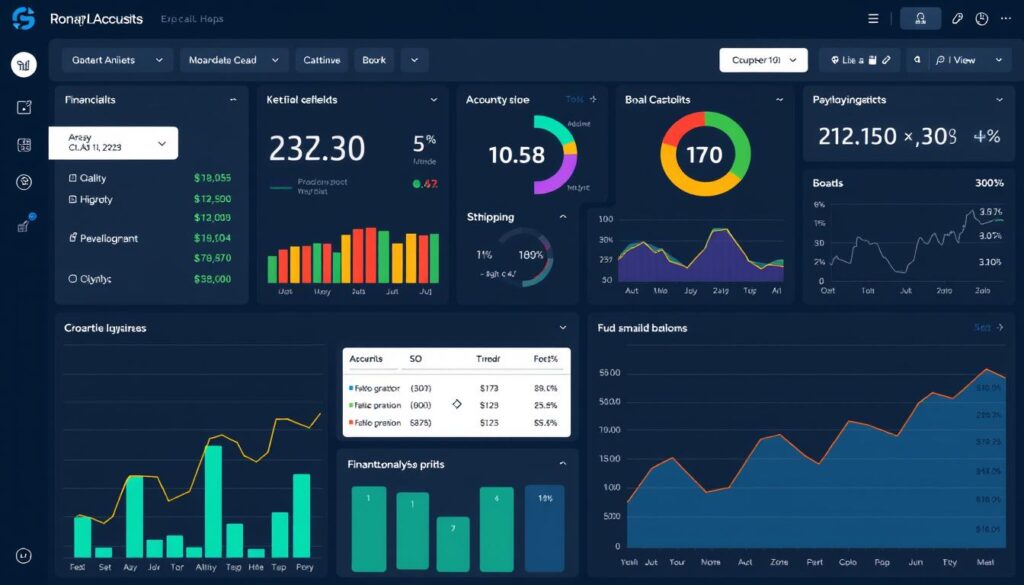
The right tools can dramatically streamline your financial analysis process, saving time and reducing errors. Here are some options to consider based on your business size, complexity, and budget.
Accounting Software with Analysis Features
QuickBooks Online
Popular cloud-based accounting software with robust reporting features, including profit and loss, balance sheet, and cash flow statements. The Advanced version includes business analytics and custom report building.
Price: $25-$180/month
Xero
User-friendly accounting platform with customizable dashboard, financial reporting, and integration with over 800 business apps. Includes budget comparison reports and business performance metrics.
Price: $12-$65/month
FreshBooks
Intuitive accounting software designed for service-based businesses. Offers profit and loss statements, expense reports, and tax summaries. Includes client retainer management and project profitability tracking.
Price: $15-$55/month
Specialized Financial Analysis Tools
LivePlan
Business planning and financial forecasting software with scenario comparison features. Automatically creates financial projections and compares actual performance to your forecast.
Price: $20/month
Fathom
Advanced financial analysis and management reporting tool that integrates with accounting software. Provides customizable KPI dashboards, benchmarking, and consolidated reporting for multiple entities.
Price: $39-$199/month
Float
Cash flow forecasting and scenario planning tool that syncs with accounting software. Visualizes cash flow and helps identify potential shortfalls or surpluses in advance.
Price: $69-$249/month
Excel Templates and Spreadsheets
For businesses with simpler needs or tighter budgets, Excel templates offer a cost-effective solution for financial analysis.
Streamline Your Financial Analysis
Download our comprehensive Excel Financial Analysis Toolkit, including customizable templates for ratio analysis, break-even calculation, cash flow forecasting, and more.
Templates You Can Use for Small Business Financial Analysis
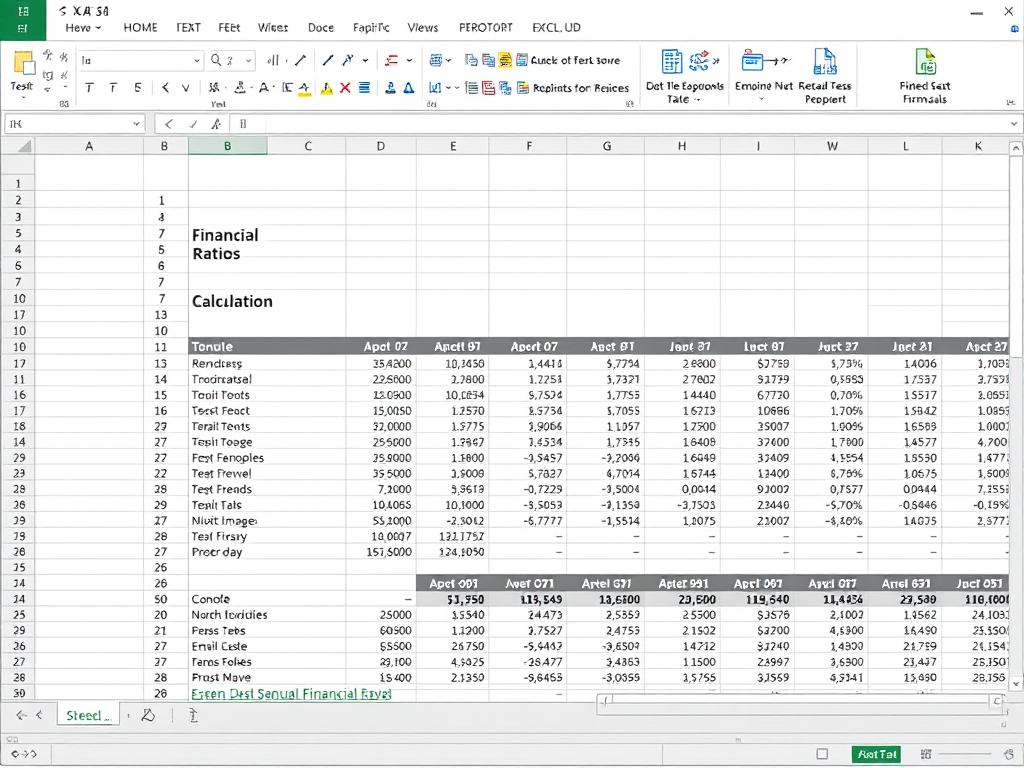
Having the right templates can save you hours of work and ensure consistency in your financial analysis. Here are some essential templates you can adapt for your business.
Financial Statement Templates
- Income Statement Template: Tracks revenue, expenses, and profitability over time with built-in calculations for gross margin, operating margin, and net profit margin.
- Balance Sheet Template: Organizes assets, liabilities, and equity with automatic calculation of key ratios like current ratio and debt-to-equity.
- Cash Flow Statement Template: Monitors cash inflows and outflows from operating, investing, and financing activities with forecasting capabilities.
Financial Analysis Templates
- Financial Ratio Dashboard: Automatically calculates and visualizes all key financial ratios from your input data, with trend analysis and industry benchmark comparison.
- Break-Even Analysis Template: Determines your break-even point in units and dollars, with what-if scenario modeling for price and cost changes.
- Variance Analysis Template: Compares actual performance against budget or forecast, highlighting significant variances for investigation.
Financial Planning Templates
- 12-Month Cash Flow Forecast: Projects cash inflows and outflows to identify potential shortfalls before they occur.
- 3-Year Financial Projection Model: Creates pro forma income statements, balance sheets, and cash flow statements based on growth assumptions.
- Budget Builder Template: Develops detailed annual budgets by department or category with monthly breakdowns.
Ready to Simplify Your Financial Analysis?
Get instant access to our complete library of 15+ financial analysis templates, designed specifically for small business owners.
Financial Analysis Example: Case Study
Let’s examine how a fictional small business, Coastal Craft Brewery, used financial analysis to identify issues and improve its performance.

Business Background
Coastal Craft Brewery is a microbrewery with a taproom that has been in operation for three years. The owners noticed that despite increasing sales, their profitability was declining and cash was consistently tight.
Initial Financial Analysis
The owners conducted a comprehensive financial analysis using the following approach:
- Trend Analysis: Reviewed three years of financial statements to identify patterns
- Ratio Analysis: Calculated key financial ratios and compared to industry benchmarks
- Product Line Profitability: Analyzed the contribution margin of each beer variety
- Cash Flow Analysis: Examined timing of cash inflows and outflows
Key Findings
| Financial Metric | Coastal Brewery | Industry Benchmark | Gap |
| Gross Profit Margin | 42% | 55% | -13% |
| Inventory Turnover | 3.2 | 6.5 | -3.3 |
| Days Sales Outstanding | 45 days | 21 days | +24 days |
| Operating Expense Ratio | 38% | 30% | +8% |
Issues Identified
- Rising Raw Material Costs: The cost of hops and specialty grains had increased by 22% over two years, but prices hadn’t been adjusted accordingly.
- Excessive Inventory: The brewery was producing too many varieties in large batches, leading to aging inventory and waste.
- Slow-Paying Wholesale Customers: Local restaurants and bars were taking 45+ days to pay invoices, creating cash flow problems.
- Inefficient Operations: Labor costs were higher than industry standards due to inefficient production scheduling.
Action Plan Implemented
- Pricing Strategy Revision: Increased prices on specialty beers by 8% and introduced a premium line with higher margins.
- Production Optimization: Reduced beer varieties from 12 to 8 and implemented just-in-time production for seasonal offerings.
- Credit Terms Restructuring: Offered a 2% discount for payments within 10 days and required deposits from customers with poor payment history.
- Labor Scheduling Improvements: Consolidated brewing days and cross-trained staff to reduce overtime and idle time.
Results After Six Months
- Gross profit margin improved from 42% to 51%
- Inventory turnover increased to 5.8
- Days sales outstanding decreased to 22 days
- Operating expense ratio reduced to 32%
- Cash reserves grew from 15 days of operating expenses to 45 days
“The financial analysis opened our eyes to issues we hadn’t noticed in day-to-day operations. Making data-driven decisions transformed our business from constantly struggling with cash to having the resources to plan for growth.”
Financial Forecasting Techniques for Small Businesses
Financial forecasting allows you to anticipate future performance and prepare for various scenarios. These techniques help small business owners make proactive rather than reactive decisions.

Sales Forecasting Methods
Accurate sales forecasts form the foundation of all other financial projections. Consider these approaches:
- Historical Trend Analysis: Projects future sales based on past performance, accounting for seasonality and growth trends.
- Market-Based Forecasting: Estimates sales potential based on market size, share, and growth rates in your industry.
- Bottom-Up Forecasting: Builds projections by estimating sales by product, channel, or customer segment.
- Pipeline-Based Forecasting: For B2B businesses, projects revenue based on prospects in your sales pipeline and conversion rates.
Expense Forecasting Approaches
Projecting expenses accurately helps ensure profitability and adequate cash flow:
- Fixed vs. Variable Cost Analysis: Separates costs that remain constant regardless of sales volume from those that fluctuate with production.
- Percentage of Sales Method: Projects certain expenses as a percentage of forecast sales based on historical ratios.
- Zero-Based Budgeting: Builds expense forecasts from zero each period, requiring justification for all expenditures.
Cash Flow Forecasting
Perhaps the most critical forecast for small businesses, cash flow projections help you anticipate and prepare for potential shortfalls:
- Direct Method: Projects specific cash inflows and outflows on a weekly or monthly basis.
- Indirect Method: Starts with projected net income and adjusts for non-cash items and changes in working capital.
- Scenario Analysis: Creates best-case, worst-case, and most likely cash flow projections to prepare for various outcomes.
Forecasting Tip: When creating financial forecasts, it’s generally better to be conservative with revenue projections and generous with expense estimates. This approach helps create a buffer against unexpected challenges.
How to Improve Your Financial Performance
Once you’ve completed your financial analysis, the next step is implementing strategies to address weaknesses and capitalize on strengths. Here are practical approaches to improve key financial metrics.

Boosting Profitability
Revenue Enhancement Strategies
- Implement value-based pricing instead of cost-plus pricing
- Introduce premium product/service tiers with higher margins
- Develop cross-selling and upselling programs
- Create subscription or recurring revenue models
- Expand into complementary markets or customer segments
Cost Optimization Approaches
- Negotiate better terms with suppliers based on volume or payment terms
- Implement energy efficiency measures to reduce utility costs
- Automate repetitive tasks to reduce labor costs
- Review and consolidate software subscriptions and services
- Consider outsourcing non-core functions
Improving Cash Flow
- Accelerate Cash Inflows:
- Offer early payment discounts to customers
- Require deposits for large orders or projects
- Streamline invoicing process and send invoices immediately
- Accept electronic and credit card payments
- Manage Cash Outflows:
- Negotiate extended payment terms with suppliers
- Schedule payments strategically to maximize float time
- Lease equipment instead of purchasing outright
- Implement approval processes for large expenditures
- Optimize Working Capital:
- Implement just-in-time inventory management
- Develop a systematic approach to collections
- Establish a cash reserve for unexpected expenses
- Consider factoring or invoice financing for immediate cash needs
Strengthening Your Balance Sheet
- Manage Debt Effectively:
- Refinance high-interest debt with lower-cost options
- Pay down debt strategically, focusing on highest interest rates first
- Maintain a healthy debt-to-equity ratio (typically below 2:1)
- Optimize Asset Utilization:
- Sell or lease underutilized equipment or property
- Implement preventive maintenance to extend asset life
- Consider asset-light business models where appropriate
- Build Equity:
- Reinvest profits back into the business
- Consider bringing on equity partners for growth capital
- Establish a dividend policy that balances owner returns with business needs
Common Financial Analysis Mistakes to Avoid
Even experienced business owners can fall into these financial analysis traps. Being aware of these common pitfalls will help you conduct more accurate and useful analyses.

Financial Analysis Pitfalls
- Focusing only on the income statement while ignoring the balance sheet and cash flow statement
- Analyzing too short a time period and missing seasonal or cyclical patterns
- Failing to consider industry benchmarks when interpreting financial ratios
- Not adjusting for one-time events that distort the true financial picture
- Using outdated or inaccurate data for analysis and forecasting
- Overlooking non-financial metrics that impact financial performance
- Making decisions based on a single ratio without considering the full financial context
- Confusing cash and profit in business planning and decision-making
Financial Analysis Best Practices
- Take a holistic approach by analyzing all financial statements together
- Examine trends over multiple periods (quarters and years) to identify patterns
- Compare your metrics to relevant industry standards from similar-sized businesses
- Normalize financial data by removing unusual or non-recurring items
- Ensure data accuracy through regular reconciliation and review
- Include operational KPIs like customer retention and employee productivity
- Use a balanced scorecard approach with multiple complementary metrics
- Maintain separate tracking for cash position and profitability
Warning: Don’t fall into the “analysis paralysis” trap. While thorough financial analysis is important, it should lead to actionable insights and decisions. Set clear objectives for your analysis and focus on the metrics that matter most to your current business challenges and goals.
Frequently Asked Questions
How often should I conduct financial analysis for my small business?
For most small businesses, a monthly review of key financial metrics and quarterly in-depth analysis is ideal. This frequency allows you to identify trends and address issues promptly without becoming overwhelmed. However, certain metrics like cash flow might need weekly monitoring, especially for businesses with tight margins or seasonal fluctuations. As your business grows, you might need to adjust this schedule based on your industry’s volatility and your specific business needs.
What’s the difference between financial analysis and accounting?
Accounting is the process of recording, classifying, and summarizing financial transactions to provide information about a business. It’s primarily concerned with accurate record-keeping and compliance. Financial analysis, on the other hand, involves interpreting this accounting data to evaluate performance, assess financial health, and inform business decisions. Think of accounting as gathering the ingredients, while financial analysis is using those ingredients to create a meal that nourishes your business strategy.
Do I need specialized software to perform financial analysis?
While specialized software can streamline the process, you don’t necessarily need it to perform effective financial analysis. Many small businesses start with spreadsheet applications like Microsoft Excel or Google Sheets, which offer sufficient functionality for basic to intermediate analysis. As your business grows or your analysis needs become more complex, you might consider investing in dedicated financial analysis tools or more robust accounting software with built-in analytical features. The key is to use tools that provide accurate insights without overwhelming you with unnecessary complexity.
How can I use financial analysis to secure a business loan?
Lenders want to see that your business is financially viable and capable of repaying the loan. Prepare a comprehensive financial analysis that highlights your business’s strengths while honestly addressing any weaknesses. Focus on positive trends in revenue and profitability, strong cash flow management, reasonable debt levels, and industry-competitive financial ratios. Include detailed projections showing how the loan will improve your business performance and your specific plan for repayment. Being prepared with this analysis demonstrates your financial acumen and increases lenders’ confidence in your business.
What financial ratios are most important for my industry?
Important financial ratios vary by industry due to different business models and capital requirements. Retail businesses should focus on inventory turnover, gross margin, and same-store sales growth. Service businesses might prioritize utilization rates, revenue per employee, and client retention metrics. Manufacturing companies often track gross margin, equipment efficiency, and days in inventory. Research industry associations, trade publications, or resources like the Risk Management Association’s Annual Statement Studies to identify the most relevant benchmarks for your specific industry.
How do I analyze a new business with limited financial history?
For new businesses, focus on forward-looking analysis rather than historical trends. Develop detailed financial projections based on market research, industry benchmarks, and your business plan. Track actual performance against these projections monthly and adjust your forecasts accordingly. Pay special attention to cash flow, customer acquisition costs, and unit economics. Even with limited history, you can analyze month-to-month trends and compare your early results to similar businesses or industry averages for startups. This approach helps identify potential issues before they become serious problems.
Should I hire a professional for financial analysis or do it myself?
This depends on your financial expertise, the complexity of your business, and your available time. Many small business owners benefit from handling basic financial analysis themselves to develop a deeper understanding of their business’s financial dynamics. However, consider working with an accountant or financial analyst for more complex analyses, strategic planning, or when facing major decisions like expansion, acquisition, or significant financing. A professional can also provide valuable objectivity and industry insights that might not be apparent from an insider’s perspective.
How can I use financial analysis to value my business?
Business valuation typically involves multiple approaches. The income approach uses financial analysis to project future cash flows and discount them to present value. The market approach compares your financial metrics to those of similar businesses that have recently sold. The asset approach examines your balance sheet to determine the net value of business assets. For most small businesses, a combination of these methods provides the most accurate valuation. Focus on normalized earnings (adjusting for one-time expenses or owner benefits), growth trends, and industry-specific multiples. Consider working with a valuation professional for significant transactions like selling your business or bringing on major investors.
What non-financial metrics should I include in my business analysis?
Comprehensive business analysis should include operational and customer-focused metrics alongside financial analysis. Consider tracking customer satisfaction scores, retention rates, and lifetime value. Operational metrics might include employee productivity, capacity utilization, or quality measures. Marketing metrics like customer acquisition cost, conversion rates, and return on advertising spend provide insights into growth efficiency. These non-financial indicators often serve as leading indicators that will impact your financial results in future periods, giving you time to address issues before they affect your bottom line.
How do I create a financial dashboard for my small business?
An effective financial dashboard presents key metrics in a visual, easy-to-understand format. Start by identifying 5-7 critical metrics that align with your business goals—these might include cash position, monthly revenue, gross margin, customer acquisition cost, or accounts receivable aging. Use spreadsheet software or specialized dashboard tools to create visual representations like charts and gauges. Update your dashboard regularly (weekly or monthly) and review it with key team members. The best dashboards highlight trends and exceptions, allowing you to quickly identify areas needing attention without getting lost in excessive detail.
Conclusion: Taking Action on Your Financial Analysis
Financial analysis is not just about crunching numbers—it’s about using those insights to make better business decisions. By regularly analyzing your financial statements, calculating key ratios, and comparing your performance to industry benchmarks, you’ll develop a deeper understanding of your business’s financial dynamics and identify opportunities for improvement.
Remember that financial analysis is an ongoing process, not a one-time event. As your business evolves, your financial analysis should adapt to focus on the metrics most relevant to your current challenges and goals. Start with the basics outlined in this guide, then gradually incorporate more sophisticated analyses as your comfort level and business complexity increase.
Most importantly, use your financial analysis to drive action. The most valuable insights are those that lead to concrete improvements in your business operations, pricing strategy, cost structure, or capital allocation. By making financial analysis a regular part of your business routine, you’ll be better equipped to navigate challenges, capitalize on opportunities, and build a more profitable and sustainable business.
Ready to Transform Your Business Finances?
Get our complete Small Business Financial Analysis Toolkit, including Excel templates, video tutorials, and a step-by-step implementation guide.