
What You’ll Find in This Guide
- Why financial tracking is essential for business success
- Key financial metrics every entrepreneur should monitor
- Step-by-step guide to implementing a financial tracking system
- Customizable Excel templates for different business needs
- Real-world financial analysis example
- Advanced strategies to improve financial performance
- Common financial tracking mistakes to avoid
Why Financial Performance Tracking Is Critical for Entrepreneurs
For entrepreneurs, understanding your business’s financial health isn’t just about keeping the books balanced—it’s about creating a roadmap for sustainable growth. Without proper financial tracking, you’re essentially navigating your business journey blindfolded.
The Real Cost of Poor Financial Management
According to a U.S. Bank study, 82% of business failures are due to poor cash flow management or inadequate understanding of cash flow. This statistic highlights why implementing a robust business finance performance tracking template is not just helpful—it’s essential for survival.
Benefits of Systematic Financial Tracking
- Early identification of cash flow problems
- Data-driven decision making
- Clearer picture of profitability by product or service
- Improved investor relations through transparent reporting
- Better tax planning and compliance
- Simplified loan application processes

Implementing a comprehensive financial tracking system doesn’t just help you survive—it positions your business to thrive. By maintaining visibility into your financial performance, you can spot opportunities for growth and efficiency that might otherwise remain hidden.
Essential Financial Metrics Every Entrepreneur Should Track
The foundation of effective financial business management starts with tracking the right metrics. While specific KPIs may vary by industry, these core financial indicators provide critical insights for all entrepreneurs.
Cash Flow Metrics
- Operating Cash Flow: Money generated from regular business operations
- Free Cash Flow: Cash available after operational expenses and capital expenditures
- Cash Runway: How long your business can operate before requiring additional funding
- Cash Conversion Cycle: Time required to convert investments in inventory and resources into cash
Profitability Metrics
- Gross Profit Margin: Revenue minus COGS, divided by revenue
- Net Profit Margin: Net income divided by total revenue
- Return on Investment (ROI): Net profit divided by cost of investment
- Break-even Point: When revenue equals total costs
Operational Metrics
- Accounts Receivable Turnover: How quickly customers pay their invoices
- Inventory Turnover: How efficiently inventory is managed and sold
- Customer Acquisition Cost: Cost to acquire a new customer
- Customer Lifetime Value: Total value a customer brings over their relationship with your business
Pro Tip: Don’t track every possible metric. Focus on 5-7 key performance indicators that directly impact your business model and strategic goals. Too many metrics can lead to analysis paralysis.
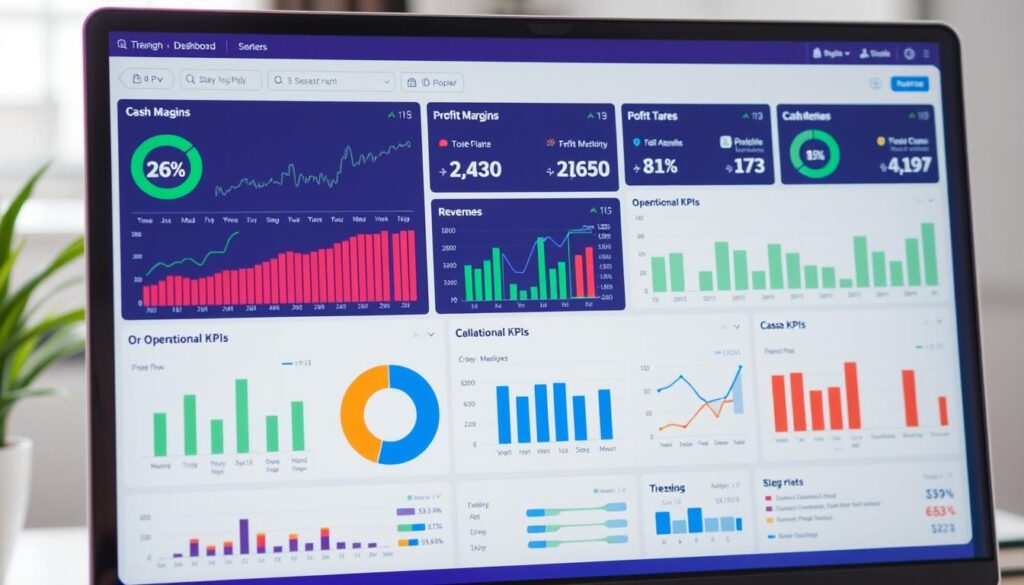
Anatomy of an Effective Business Finance Performance Tracking Template
A well-designed business finance performance tracking template combines several essential components that work together to provide a comprehensive view of your financial health. Here’s what should be included in your template:
| Template Component | Purpose | Key Elements | Update Frequency |
| Dashboard Overview | Provides at-a-glance summary of financial health | KPI summary, trend indicators, alert notifications | Real-time or daily |
| Income Statement Tracker | Monitors revenue, expenses, and profitability | Revenue streams, COGS, operating expenses, net profit | Monthly |
| Cash Flow Projector | Forecasts future cash position | Opening balance, inflows, outflows, closing balance | Weekly or monthly |
| Balance Sheet Monitor | Tracks assets, liabilities, and equity | Current assets, fixed assets, short/long-term liabilities | Monthly or quarterly |
| Budget vs. Actual Comparator | Identifies variances from financial plan | Planned figures, actual results, variance analysis | Monthly |
| Sales Performance Tracker | Analyzes sales trends and performance | Sales by product/service, customer, channel | Weekly or monthly |
| Expense Analyzer | Breaks down cost structure | Fixed vs. variable costs, expense categories, trends | Monthly |
Integration Capabilities for Maximum Efficiency
The most effective financial tracking templates don’t exist in isolation. They should integrate with your existing financial tools to minimize manual data entry and ensure accuracy. Consider how your template will connect with:
- Accounting software (QuickBooks, Xero, FreshBooks)
- Banking platforms for automatic transaction imports
- Point-of-sale systems for retail businesses
- CRM platforms to connect financial data with customer insights
- Payroll systems for accurate labor cost tracking

Templates You Can Use: Excel-Based Financial Tracking Solutions
We’ve developed a suite of Excel-based templates to address different aspects of business financial tracking. Each template is designed to be user-friendly while providing powerful insights into your business performance.
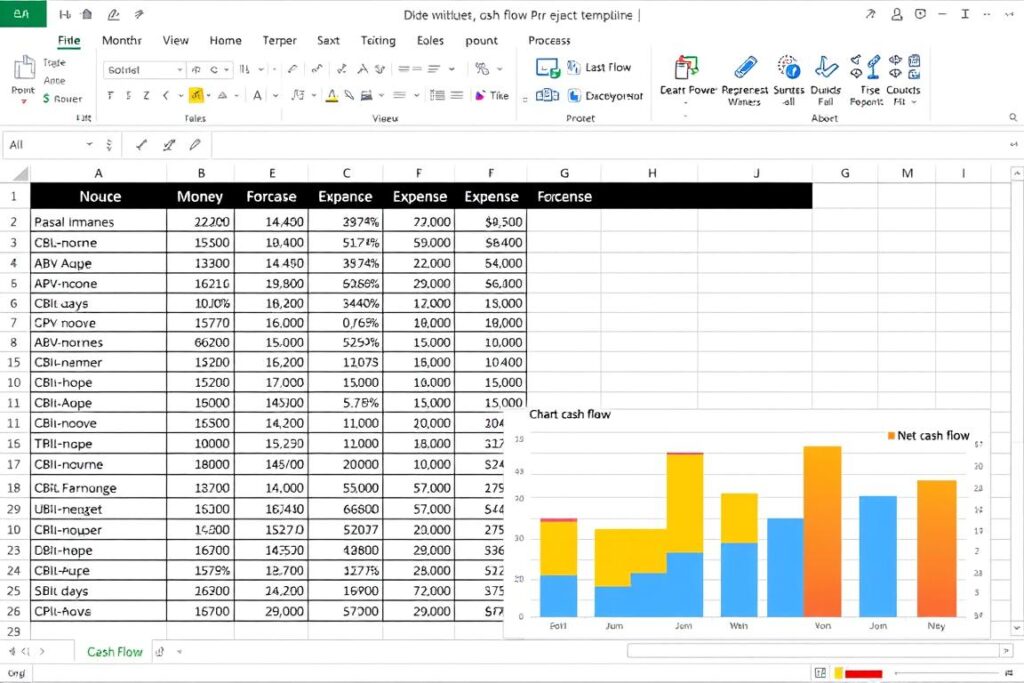
Cash Flow Projection Template
Forecast your business’s cash position for the next 12 months with this comprehensive template. Includes automatic calculations for seasonal fluctuations and growth scenarios.
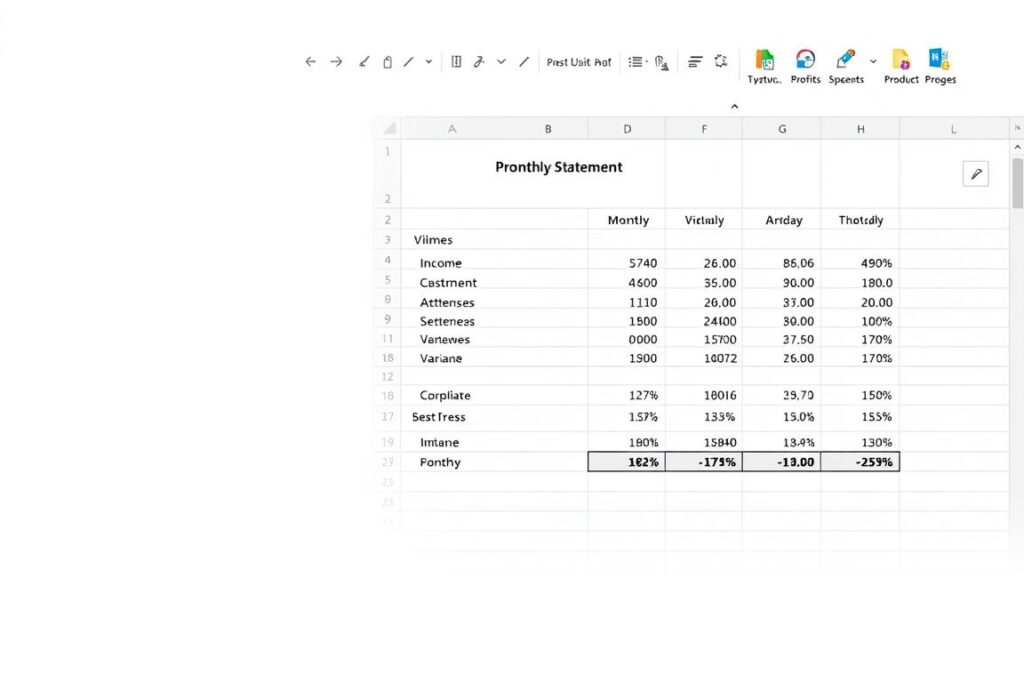
Profit & Loss Analysis Template
Track revenue streams and expense categories with this detailed P&L template. Features month-to-month comparisons and automatic calculation of key profitability ratios.
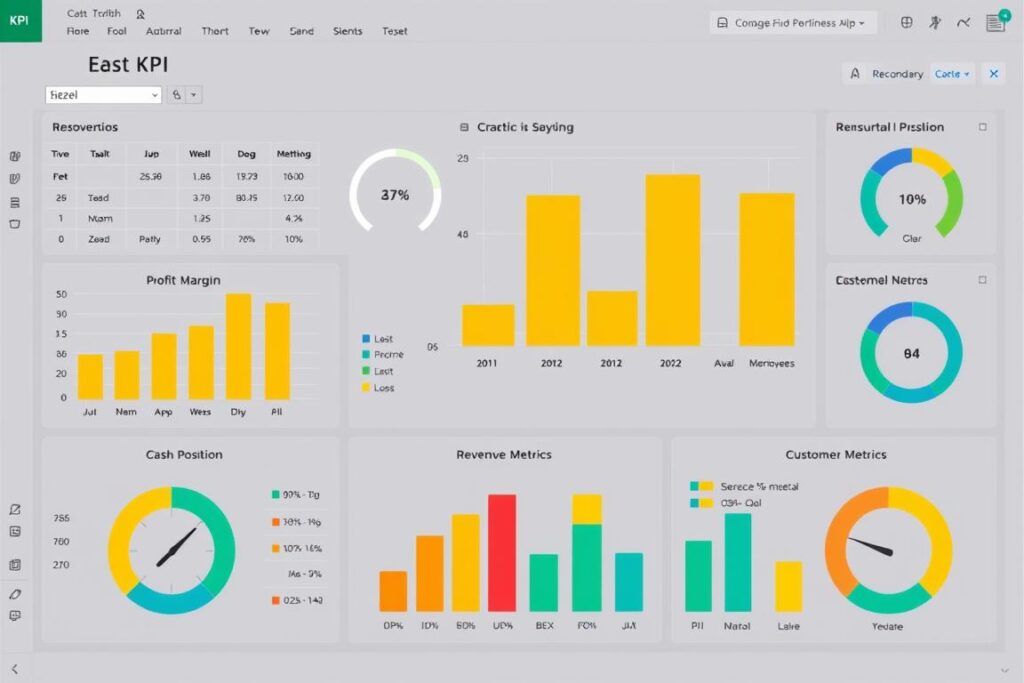
Business KPI Dashboard Template
Visualize your most important metrics in one place with this customizable dashboard. Includes pre-built visualizations for 15 common business KPIs with alert thresholds.
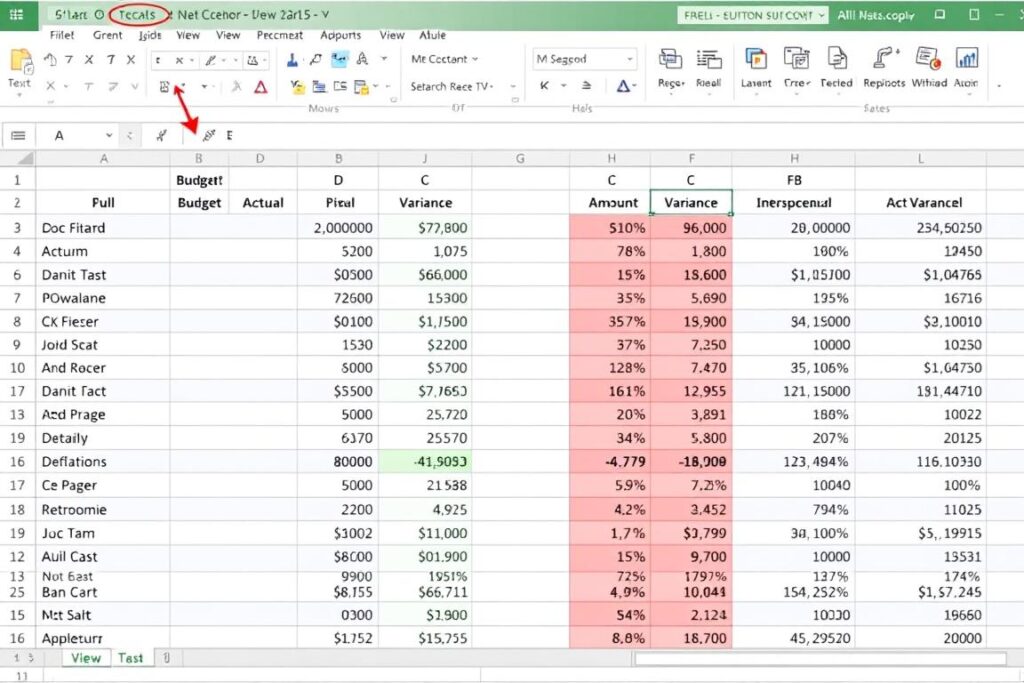
Budget vs. Actual Tracker
Compare planned versus actual financial performance with this variance analysis template. Automatically highlights significant deviations requiring attention.
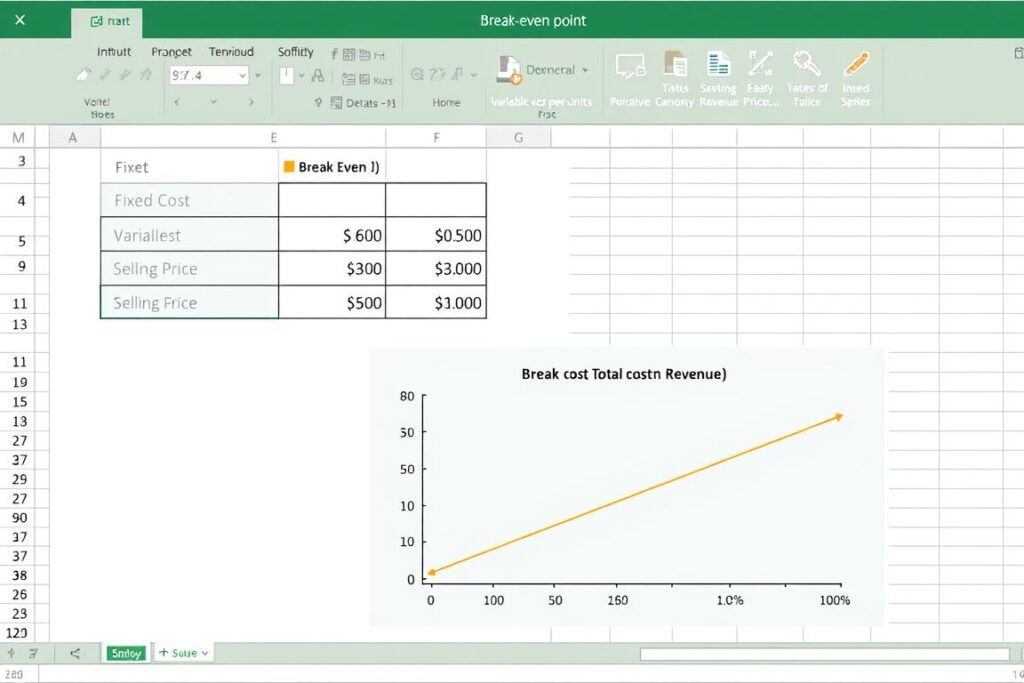
Break-Even Analysis Template
Calculate exactly how much you need to sell to cover costs with this break-even template. Includes what-if scenario planning for price and cost adjustments.
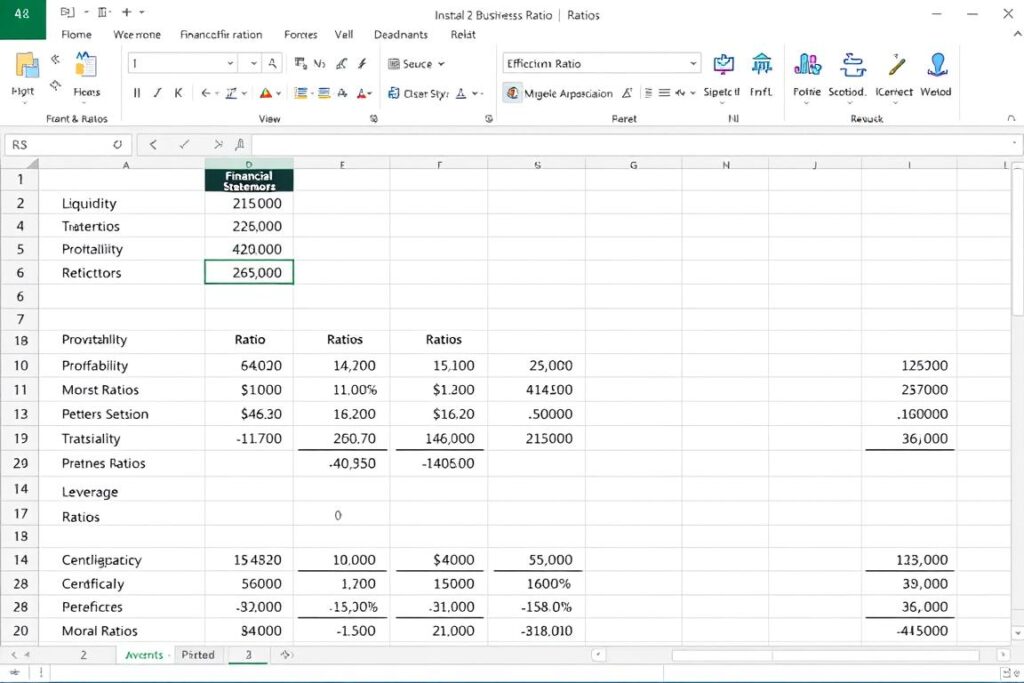
Financial Ratio Calculator
Automatically calculate 20+ financial ratios to benchmark your performance against industry standards. Includes interpretation guides for each ratio.
Get the Complete Financial Tracking Template Suite
Access all six templates plus our bonus Investor-Ready Financial Report Generator. Perfect for entrepreneurs serious about optimizing their business performance.
Step-by-Step Strategy: Implementing Your Financial Tracking System
Having the right templates is just the beginning. Successful implementation requires a systematic approach to ensure your financial tracking becomes an integral part of your business operations.
-
Assess Your Current Financial Tracking Processes
Begin by evaluating your existing methods. Identify gaps, inefficiencies, and pain points in how you currently track financial performance. This baseline assessment will help you measure improvements after implementing your new system.
-
Define Your Key Performance Indicators (KPIs)
Select 5-7 financial metrics that directly impact your business goals. These might include cash runway, gross profit margin, customer acquisition cost, or monthly recurring revenue. Focus on metrics that drive decision-making rather than vanity metrics.
-
Customize Your Templates
Adapt the downloaded templates to match your specific business model and industry. Add relevant revenue streams, expense categories, and custom calculations that reflect your unique operations.
-
Establish Data Collection Procedures
Create systematic processes for gathering financial data. Determine who will be responsible for inputting information, when updates will occur, and how data accuracy will be verified.
-
Set Up Automation Where Possible
Minimize manual data entry by connecting your templates to existing systems. Use Excel’s Power Query to import data from accounting software, bank statements, or other digital sources.
-
Create a Financial Review Schedule
Establish regular intervals for reviewing your financial performance. Weekly reviews might focus on cash flow and sales, while monthly reviews can examine broader profitability and operational metrics.
-
Develop Action Triggers
Define thresholds for each KPI that will trigger specific actions. For example, if cash runway drops below six months, initiate cost-cutting measures or accelerate accounts receivable collection.
-
Train Your Team
Ensure relevant team members understand how to use the templates and interpret the results. Financial tracking shouldn’t be siloed within the finance department—operational leaders need visibility too.

“The most valuable financial tracking systems aren’t the most complex—they’re the ones that get consistently used. Start simple, focus on accuracy, and gradually add sophistication as your processes mature.”
Financial Analysis Example: Turning Data Into Decisions
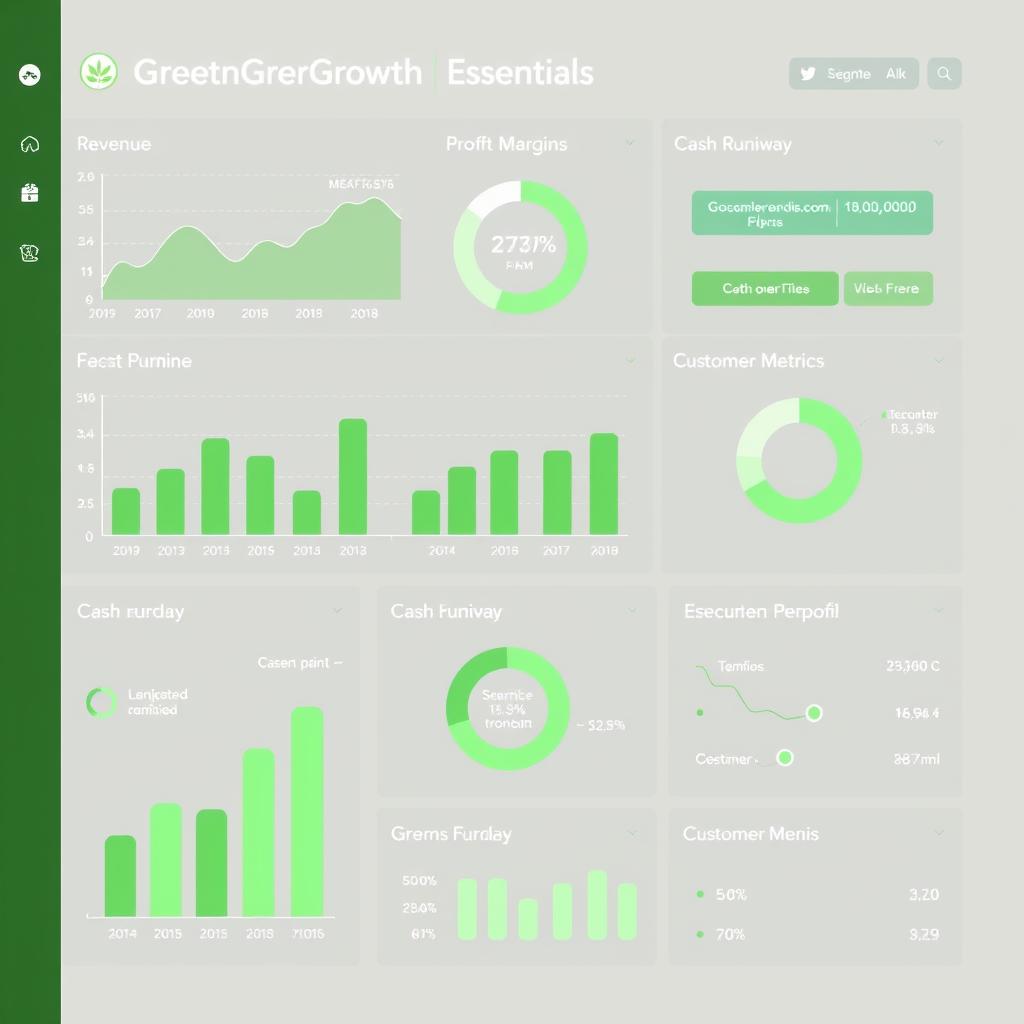
To illustrate how a business finance performance tracking template works in practice, let’s examine a case study of a fictional e-commerce business, “GreenGrowth Essentials,” which sells sustainable home products.
Background
GreenGrowth Essentials has been operating for two years with steady growth but inconsistent profitability. The founder implemented our financial tracking templates to gain better visibility into performance drivers and make data-driven decisions.
Initial Financial Snapshot
- Monthly Revenue: $42,000
- Gross Profit Margin: 45%
- Operating Expenses: $22,000
- Net Profit Margin: 7.6%
- Cash Runway: 3.5 months
- Customer Acquisition Cost: $35
- Average Order Value: $78
Key Insights Revealed Through Financial Tracking
After three months of consistent tracking using our templates, several critical insights emerged:
| Financial Insight | Data Evidence | Action Taken | Result After 90 Days |
| Seasonal cash flow vulnerability | 50% revenue drop projected for Q3 based on previous year’s pattern | Secured short-term credit line; launched pre-season promotion | Cash runway extended to 6 months; Q3 revenue drop limited to 30% |
| Product profitability variance | Two product lines operating at | Renegotiated supplier contracts; increased prices on premium items | Overall gross margin improved to 52% |
| Marketing efficiency gap | Email campaigns delivering 3x ROI vs. social media ads | Reallocated 40% of social budget to email; optimized remaining social spend | Customer acquisition cost reduced to $28; marketing ROI up 35% |
| Inventory carrying costs | 20% of inventory turning less than 2x annually | Clearance sale for slow-moving items; adjusted reorder quantities | Inventory holding costs reduced by 15%; freed $12,000 in cash |
Financial Outcome
By consistently tracking key financial metrics and taking targeted action based on the insights revealed, GreenGrowth Essentials achieved significant improvements:
This case study demonstrates how systematic financial tracking transforms raw data into actionable insights. By identifying specific performance drivers and addressing them with targeted strategies, GreenGrowth Essentials significantly improved its financial health and positioned itself for sustainable growth.
Advanced Financial Business Management Tips
Once you’ve established your basic financial tracking system, consider these advanced strategies to further enhance your business’s financial performance.
Scenario Planning

Develop best-case, worst-case, and most-likely financial projections to prepare for different market conditions. This practice helps you identify potential risks and opportunities before they materialize.
- Create three distinct financial models
- Identify trigger events for each scenario
- Develop contingency plans for negative scenarios
- Prepare resource allocation plans for positive scenarios
Rolling Forecasts
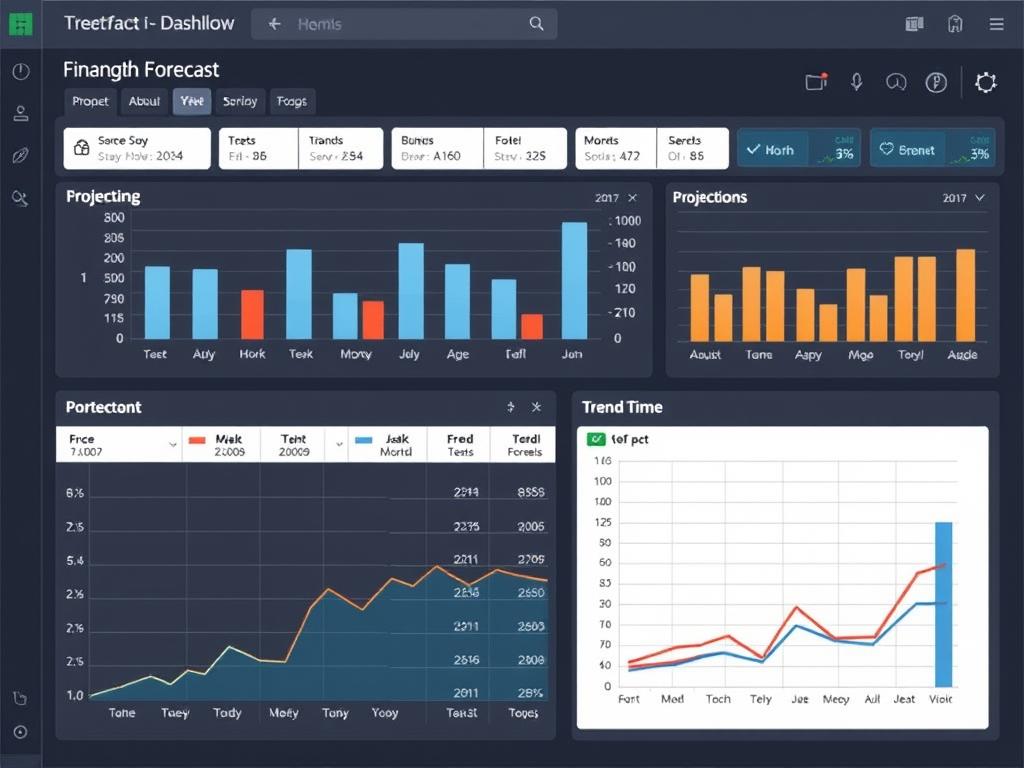
Replace static annual budgets with rolling 12-month forecasts that update monthly. This approach keeps your financial planning relevant in rapidly changing business environments.
- Update projections monthly based on actual results
- Maintain a consistent 12-month forward view
- Identify trend changes earlier than with annual budgets
- Adjust resource allocation more responsively
Cohort Analysis
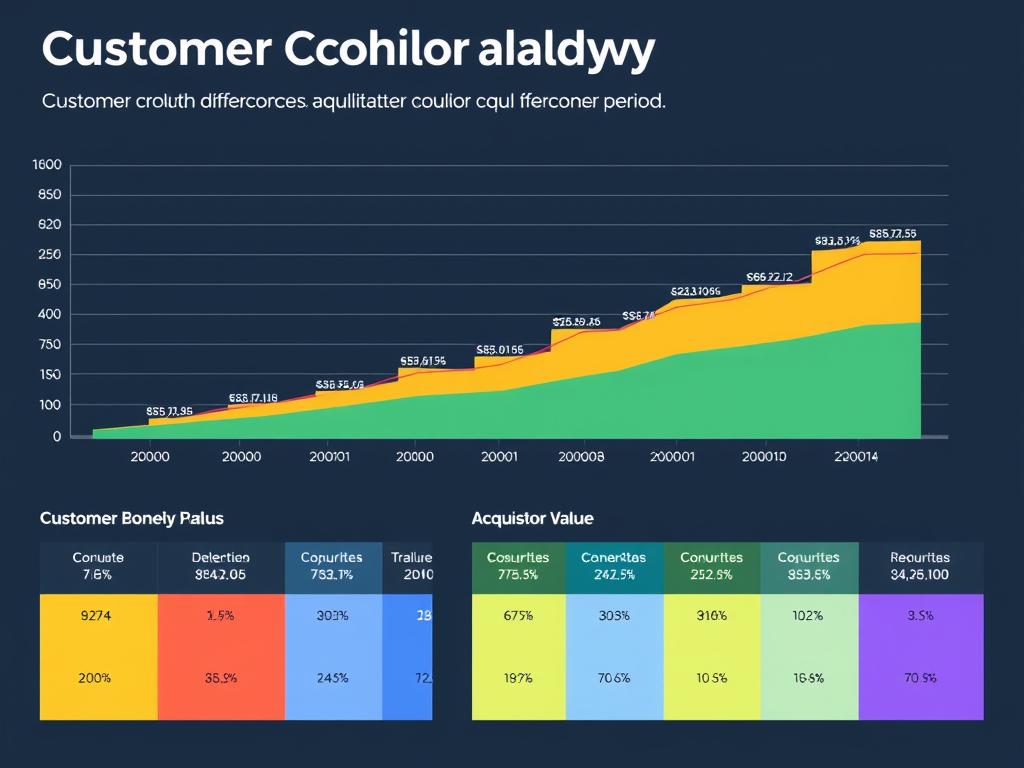
Track financial performance of customer groups based on when they were acquired. This reveals how customer value evolves over time and helps optimize acquisition strategies.
- Group customers by acquisition month/quarter
- Track revenue, retention, and profitability by cohort
- Identify which marketing channels produce highest LTV
- Optimize customer acquisition spending based on cohort performance
Financial Business Forecasting Techniques
Accurate forecasting is essential for proactive financial management. These techniques can improve the precision of your financial projections:
Moving Average Method
Calculate forecasts based on the average of a specific number of previous periods, giving equal weight to each period. This smooths out short-term fluctuations to highlight longer-term trends.
Formula: Ft = (At-1 + At-2 + … + At-n) / n
Where Ft is the forecast for period t, A represents actual values, and n is the number of periods in the moving average.
Exponential Smoothing
Similar to moving averages but gives more weight to recent periods, making it more responsive to new trends while still filtering out noise.
Formula: Ft = αAt-1 + (1-α)Ft-1
Where α is a smoothing constant between 0 and 1 that determines how responsive the forecast is to recent data.
Pro Tip: When forecasting for a new business or product line without historical data, use comparable businesses or industry benchmarks as starting points. Adjust these benchmarks based on your specific business model and market conditions.
Common Financial Tracking Mistakes to Avoid
Even with the best templates and intentions, entrepreneurs often fall into these financial tracking pitfalls. Being aware of these common mistakes can help you avoid them.
Best Practices
- Updating financial data consistently on a fixed schedule
- Focusing on a manageable number of truly relevant KPIs
- Reconciling financial records with bank statements monthly
- Separating business and personal finances completely
- Reviewing financial performance with key stakeholders regularly
- Maintaining detailed records of all financial transactions
- Using financial insights to drive strategic decisions
Common Mistakes
- Tracking too many metrics, leading to information overload
- Inconsistent data entry creating unreliable reports
- Focusing only on revenue while ignoring profitability
- Neglecting cash flow projections until problems arise
- Failing to adjust forecasts when conditions change
- Mixing personal and business expenses
- Collecting data but not using it for decision-making

“In financial tracking, consistency trumps perfection. A simple system that’s maintained regularly provides far more value than a sophisticated one that’s rarely updated.”
How to Automate Financial Business Processes
Automation reduces the time spent on financial tracking while improving accuracy and consistency. Here are practical ways to automate your financial processes:
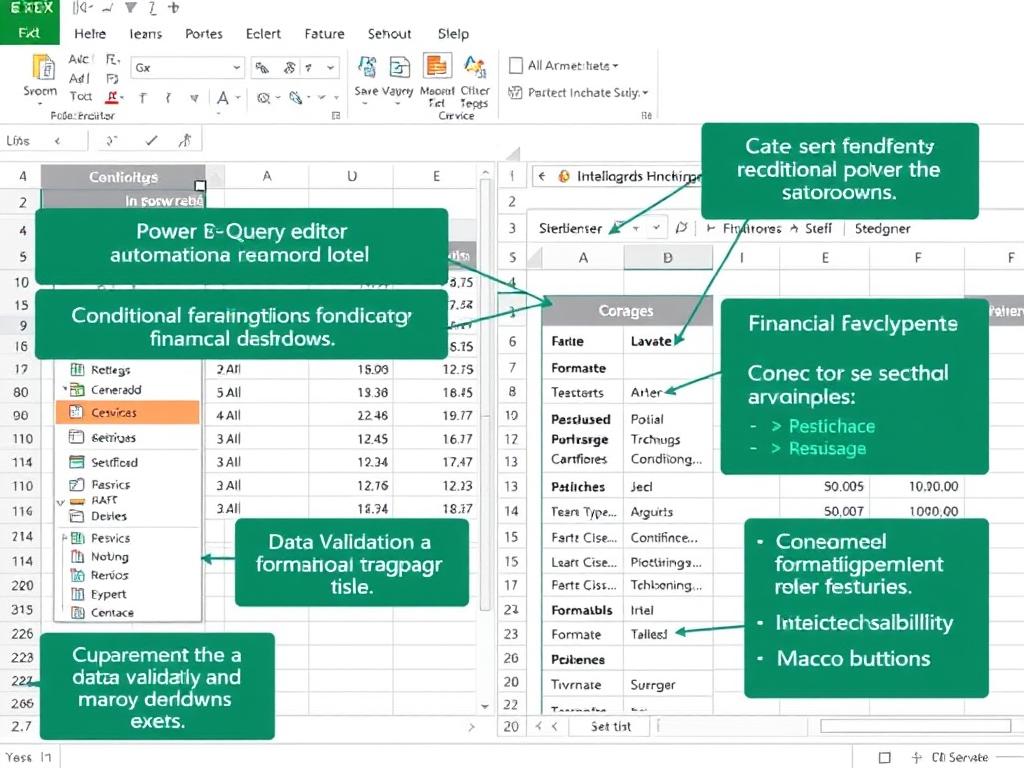
Excel Automation Techniques
- Power Query: Automatically import and refresh data from external sources like accounting software, CSV files, or web data
- Data Validation: Create dropdown lists to ensure consistent data entry and reduce errors
- Conditional Formatting: Automatically highlight values that fall outside expected ranges
- Excel Macros: Automate repetitive tasks with recorded sequences of actions
- Pivot Tables: Create dynamic summaries that update automatically as data changes
Integration Tools for Seamless Financial Data Flow
Beyond Excel, these tools can help create an automated financial ecosystem:
| Tool Category | Function | Popular Options | Implementation Complexity |
| Data Connectors | Connect different financial systems without coding | Zapier, Integromat, IFTTT | Low to Medium |
| Bank Feed Automation | Automatically import bank transactions into accounting software | QuickBooks, Xero, Wave | Low |
| Invoice Management | Automate invoice creation, sending, and payment tracking | FreshBooks, Invoice Ninja, Zoho Invoice | Low |
| Expense Tracking | Capture and categorize expenses automatically | Expensify, Receipt Bank, Zoho Expense | Low |
| Financial Reporting | Generate automated financial reports and dashboards | Tableau, Power BI, Google Data Studio | Medium to High |
Important: When automating financial processes, always maintain proper oversight and regular audits. Automation should enhance human decision-making, not replace it entirely.
Frequently Asked Questions About Business Finance Performance Tracking
How often should I update my financial tracking templates?
For most small to medium businesses, weekly updates for cash flow and sales metrics, and monthly updates for comprehensive financial statements provide a good balance. However, businesses with high transaction volumes or seasonal fluctuations may benefit from more frequent updates. The key is consistency—establish a regular schedule and stick to it.
What’s the difference between cash flow and profit?
Cash flow tracks the actual movement of money in and out of your business, while profit (or net income) represents revenue minus expenses on an accrual basis. A business can be profitable on paper but still face cash flow problems if, for example, customers haven’t paid their invoices yet. Both metrics are crucial for financial health—profit ensures long-term viability, while positive cash flow keeps you operational in the short term.
Do I need accounting software, or can I just use Excel templates?
For very early-stage businesses with simple transactions, Excel templates may suffice. However, as your business grows, dedicated accounting software becomes increasingly valuable for accuracy, compliance, and time savings. A good approach is to use both: accounting software for core financial records and compliance, and Excel templates for specialized analysis, forecasting, and performance tracking that goes beyond standard accounting reports.
How do I forecast revenue for a new business with no historical data?
Start with market research to understand your industry’s typical conversion rates and customer spending patterns. Create bottom-up projections based on your marketing plan, sales process, and pricing strategy. For example, if you plan to reach 1,000 prospects monthly with a 2% conversion rate and 0 average sale, your monthly revenue projection would be ,000. Validate these assumptions with small-scale tests before scaling. Also, research comparable businesses or industry benchmarks as reference points, adjusting for your specific circumstances.
What financial metrics should I include when pitching to investors?
Investors typically want to see: 1) Historical revenue growth and projections, 2) Gross and net profit margins, 3) Customer acquisition cost (CAC) and lifetime value (LTV), 4) Burn rate and runway, 5) Unit economics, and 6) Key growth drivers. Tailor these based on your business stage—early-stage startups should focus on market opportunity and traction metrics, while more established businesses should emphasize profitability and sustainable growth. Always be prepared to explain the assumptions behind your projections.
How can I improve my business’s cash flow?
To improve cash flow: 1) Accelerate receivables by offering early payment discounts or requiring deposits, 2) Extend payables where possible without damaging supplier relationships, 3) Optimize inventory levels to reduce capital tied up in stock, 4) Lease equipment instead of purchasing outright, 5) Implement subscription or recurring revenue models, 6) Negotiate better terms with suppliers, and 7) Consider factoring or invoice financing for immediate cash from outstanding invoices. Our cash flow template can help you model the impact of these strategies on your business.
What’s the best way to track expenses for tax purposes?
Maintain a consistent system for categorizing and documenting all business expenses. Use dedicated business accounts and cards to separate business from personal expenses. Capture receipts digitally using apps like Expensify or Receipt Bank. Categorize expenses according to tax-relevant categories. Consider working with a tax professional to ensure you’re tracking the right information and maximizing deductions. Review expense categories quarterly to identify areas for cost reduction.
How do I calculate my business’s break-even point?
Calculate your break-even point using this formula: Break-even Point = Fixed Costs ÷ Contribution Margin, where Contribution Margin = Price per Unit – Variable Costs per Unit. For service businesses, use hourly rates instead of unit prices. This calculation tells you how many units you must sell (or hours you must bill) to cover all costs. Our Break-Even Analysis Template automates this calculation and allows you to run what-if scenarios for different pricing and cost structures.
Should I track financial metrics differently for my e-commerce business?
E-commerce businesses should track standard financial metrics plus industry-specific KPIs like: 1) Average order value (AOV), 2) Shopping cart abandonment rate, 3) Customer acquisition cost by channel, 4) Conversion rate, 5) Return rate and reasons, 6) Inventory turnover by product category, and 7) Shipping and fulfillment costs as a percentage of revenue. Our e-commerce financial template includes these specialized metrics alongside traditional financial tracking.
How can I use financial tracking to secure a business loan?
Lenders want evidence of financial stability and repayment ability. Prepare: 1) At least two years of profit and loss statements, 2) Current balance sheet, 3) Cash flow projections showing loan repayment capacity, 4) Accounts receivable and payable aging reports, 5) Tax returns, and 6) A clear explanation of how the loan will generate returns. Our financial templates can help organize this information in lender-friendly formats, increasing your chances of approval.
Taking Control of Your Business Finances
Implementing a comprehensive business finance performance tracking template is more than just a good accounting practice—it’s a strategic advantage that can transform your entrepreneurial journey. By consistently monitoring key metrics, forecasting future scenarios, and making data-driven decisions, you position your business for sustainable growth and profitability.
Remember that financial tracking is not about creating perfect projections or complex spreadsheets. It’s about developing a clear understanding of your business’s financial health and using that knowledge to make better decisions. Start with the templates we’ve provided, customize them to your specific needs, and commit to regular updates and reviews.
Your business deserves the clarity and confidence that comes from proper financial tracking. Take the first step today by downloading our templates and implementing the strategies outlined in this guide.
Ready to Transform Your Financial Management?
Download our complete suite of business finance performance tracking templates and start making more informed decisions for your business today.