
What You’ll Learn in This Guide
- Understanding the fundamentals of business financial planning
- Creating your first financial business plan from scratch
- Essential financial statements and what they reveal
- Practical forecasting techniques for realistic projections
- Tools and resources to streamline your planning process
- Step-by-step implementation strategies for immediate results
What is Financial Business Planning and Why It Matters
Understanding your financial landscape is the first step to business success
Financial business planning is the process of creating a roadmap that outlines how your business will achieve its monetary goals. It involves analyzing your current financial position, setting objectives, and developing strategies to reach those targets. For beginners, this might sound overwhelming, but breaking it down into components makes it manageable.
A well-crafted financial plan serves as your business compass, guiding decisions about investments, growth opportunities, and resource allocation. Without this direction, businesses often face cash flow problems, missed opportunities, and in worst cases, failure.
Why Financial Planning is Critical for Business Success
- Provides clarity on your business’s financial health
- Helps identify potential cash flow issues before they become critical
- Creates a framework for making informed business decisions
- Prepares your business for unexpected challenges
- Attracts potential investors with a clear financial roadmap
According to a U.S. Bank study, 82% of businesses fail due to poor cash flow management or inadequate understanding of cash flow. This statistic highlights why having a structured approach to financial planning isn’t just helpful—it’s essential for survival.
For beginners, financial planning might seem like a complex task best left to accountants or financial advisors. However, understanding the basics yourself gives you greater control over your business’s destiny and helps you communicate more effectively with financial professionals when you do engage them.
Essential Components of a Financial Business Plan
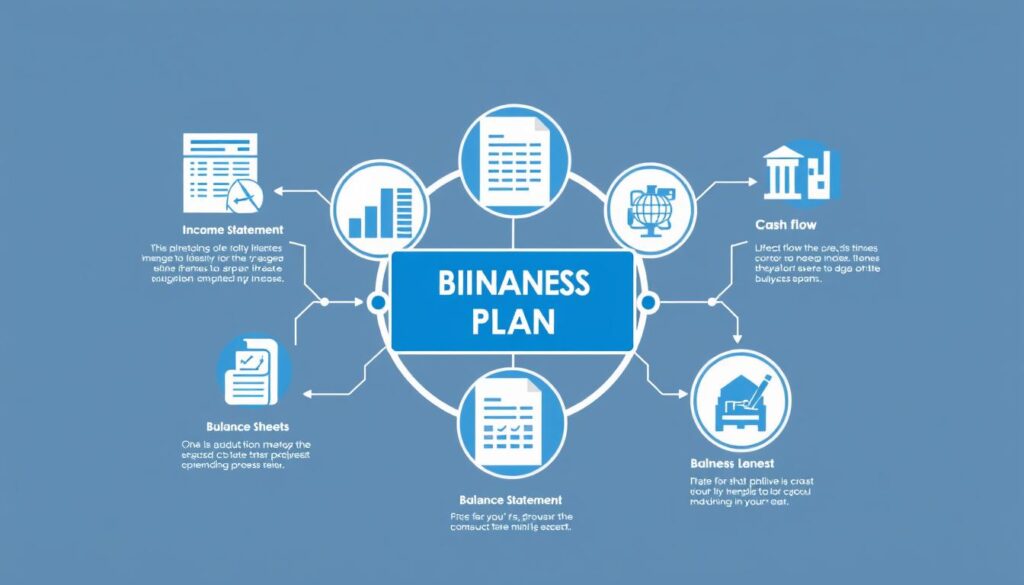
Before diving into the planning process, let’s understand the building blocks that make up a comprehensive financial business plan. Each component provides unique insights into different aspects of your business’s financial health.
Income Statement (Profit and Loss Statement)
The income statement shows your business’s profitability over a specific period. It details your revenue sources and all expenses, revealing whether you’re operating at a profit or loss.
| Component | What It Shows | Why It Matters |
| Revenue | Money earned from sales of products/services | Indicates market demand and pricing effectiveness |
| Cost of Goods Sold (COGS) | Direct costs associated with producing goods/services | Helps calculate gross profit margins |
| Operating Expenses | Day-to-day costs of running the business | Identifies areas for potential cost reduction |
| Net Profit/Loss | Bottom line after all expenses | Ultimate measure of business profitability |
Cash Flow Statement
While the income statement shows profitability, the cash flow statement tracks the actual movement of money in and out of your business. This is crucial because a business can be profitable on paper but still face cash shortages.
“Cash is king. Nothing is more important in the world of business than cash flow. You can be profitable on paper but if you run out of cash, the game is over.”
A cash flow statement typically breaks down into three categories:
- Operating activities: Cash generated from core business operations
- Investing activities: Cash used for long-term asset purchases or investments
- Financing activities: Cash from loans, investors, or paying dividends
Balance Sheet
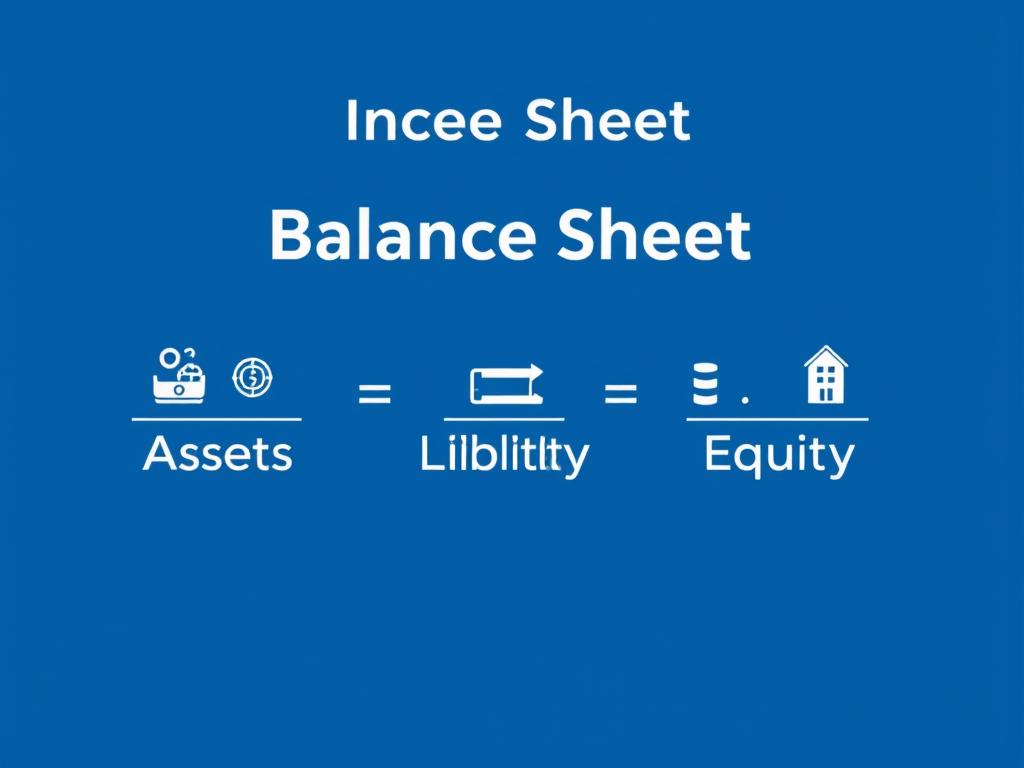
The balance sheet provides a snapshot of your business’s financial position at a specific point in time. It follows the equation: Assets = Liabilities + Equity.
Financial Forecasting
Financial forecasting involves predicting your future financial performance based on historical data, market trends, and business goals. For beginners, start with simple projections and refine them as you gain experience.
Key forecasting components include:
- Sales forecasts
- Expense projections
- Cash flow forecasts
- Profit projections
Budget
A budget allocates financial resources to different aspects of your business. It serves as a spending plan that helps control expenses and prioritize investments based on your business goals.
Get Your Free Financial Planning Templates
Start building your financial plan today with our professionally designed templates. Includes income statement, cash flow, and balance sheet templates with built-in formulas.
Step-by-Step Guide to Create a Financial Business Plan
Now that we understand the components, let’s break down the process of creating a financial business plan into manageable steps. This approach works whether you’re a startup founder or managing an established business.

Step 1: Gather Your Financial Data
Before you can plan for the future, you need to understand your current position. Collect all relevant financial information, including:
- Bank statements from the past 12-24 months
- Tax returns
- Current list of assets and liabilities
- Existing financial statements (if available)
- List of regular expenses and income sources
For new businesses without historical data, research industry benchmarks and create realistic estimates based on market research and your business model.
Step 2: Define Clear Financial Goals
Effective financial business planning requires specific, measurable objectives. Your goals should align with your overall business strategy and might include:
Short-term goals (1 year):
- Achieve monthly revenue of $X
- Reduce operating expenses by X%
- Build an emergency fund of $X
Long-term goals (3-5 years):
- Expand to X new locations/markets
- Increase profit margins to X%
- Achieve annual growth rate of X%
Pro Tip: Use the SMART framework to create effective financial goals: Specific, Measurable, Achievable, Relevant, and Time-bound. Instead of “increase sales,” try “increase monthly sales by 15% within 6 months by expanding our product line.”
Step 3: Create Your Sales Forecast
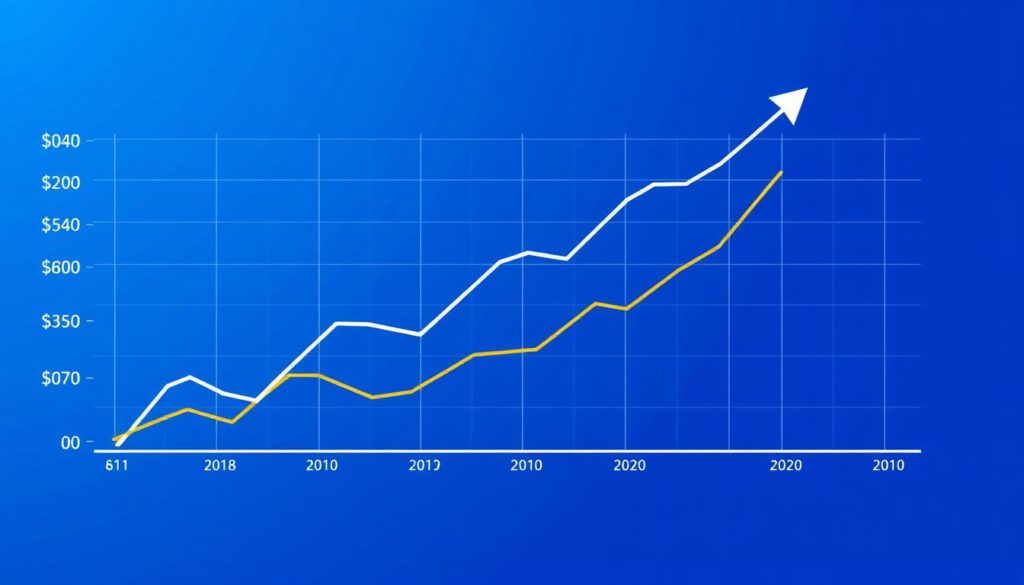
Your sales forecast predicts future revenue based on historical data, market trends, and growth plans. For beginners, it’s often the most challenging yet crucial part of financial planning.
Two common approaches to sales forecasting:
Bottom-Up Forecasting
Start with specific units, customers, or services and build up to total revenue:
- Estimate number of customers
- Multiply by average purchase value
- Adjust for seasonality and growth
Top-Down Forecasting
Start with the total market size and work down to your share:
- Identify total addressable market
- Estimate realistic market share
- Calculate resulting revenue
Step 4: Develop Your Expense Budget
A comprehensive expense budget helps control spending and ensures resources align with business priorities. Categorize expenses as:
- Fixed costs: Expenses that remain constant regardless of business performance (rent, salaries, insurance)
- Variable costs: Expenses that fluctuate with business activity (materials, shipping, commissions)
- Semi-variable costs: Expenses with both fixed and variable components (utilities, some labor costs)
- One-time expenses: Non-recurring costs (equipment purchases, renovations)
When creating your expense budget, be conservative by slightly overestimating costs. This builds a safety margin into your financial plan.
Step 5: Create Cash Flow Projections
Cash flow projections predict the movement of money in and out of your business over time. This helps ensure you’ll have sufficient liquidity to cover expenses and investments.
“Entrepreneurs believe that profit is what matters most in a new enterprise. But profit is secondary. Cash flow matters most.”
A basic cash flow projection includes:
- Beginning cash balance
- Cash inflows (sales, investments, loans)
- Cash outflows (expenses, loan payments, tax payments)
- Ending cash balance
Create monthly projections for the first year, then quarterly for years 2-3. This helps identify potential cash shortages before they occur, allowing you to adjust plans or arrange additional financing.
Simplify Your Cash Flow Management
Our interactive cash flow template automatically calculates projections based on your inputs. Perfect for beginners who want professional-quality forecasts without complex formulas.
Step 6: Develop Profit and Loss Projections
Based on your sales forecasts and expense budgets, create projected income statements for the next 1-3 years. These show expected profitability and help identify potential issues or opportunities.
Include:
- Projected revenue by month/quarter
- Cost of goods sold
- Gross profit margins
- Operating expenses
- Net profit
Step 7: Create a Balance Sheet Forecast
While more complex, a projected balance sheet completes your financial plan by showing how assets, liabilities, and equity will change over time. This helps evaluate the overall financial health and stability of your business.
Step 8: Perform Break-Even Analysis
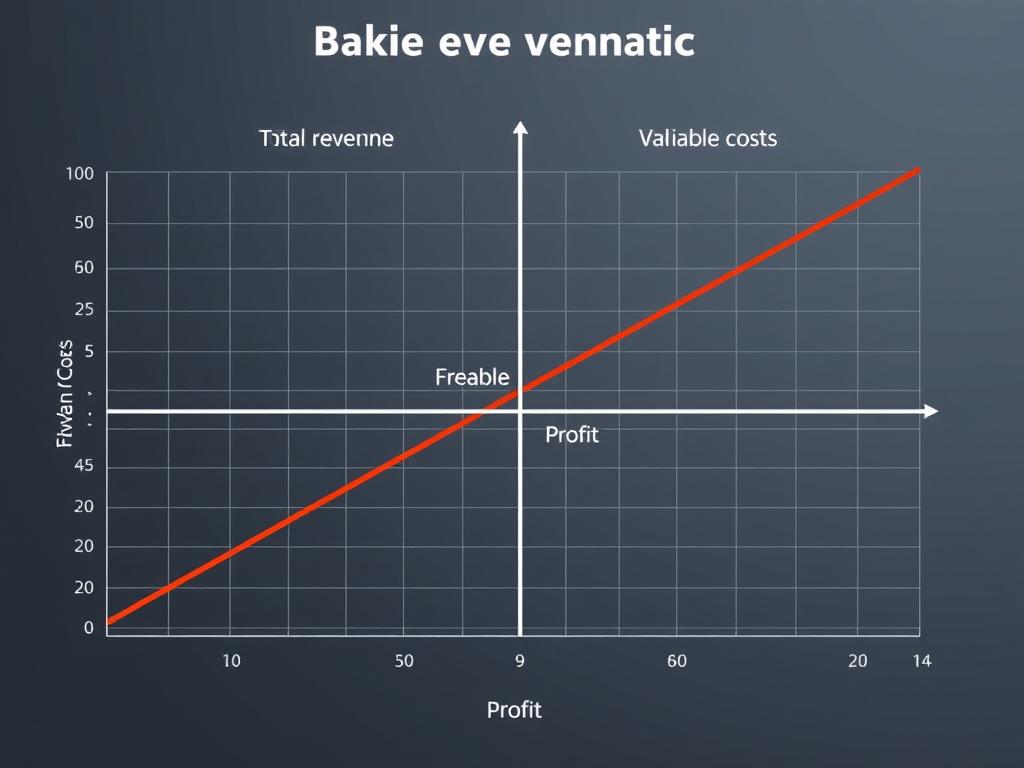
Break-even analysis determines when your business will become profitable by calculating the point where total revenue equals total expenses.
The basic formula is:
Break-even point = Fixed Costs ÷ (Price per Unit – Variable Cost per Unit)
For example, if your fixed costs are $10,000 per month, you sell products at $100 each, and each product costs $60 to make:
$10,000 ÷ ($100 – $60) = 250 units
This means you need to sell 250 units monthly to cover all costs. Any sales beyond this point contribute to profit.
Step 9: Identify Potential Risks and Create Contingency Plans
Every business faces risks that can impact financial performance. Identifying these risks and developing contingency plans strengthens your financial planning.
Common Internal Risks
- Employee turnover
- Production delays
- Quality control issues
- Technology failures
Common External Risks
- Economic downturns
- New competitors
- Regulatory changes
- Supply chain disruptions
For each significant risk, develop a specific contingency plan that outlines how you’ll respond if the risk materializes.
Step 10: Implement Regular Review and Adjustment Processes
A financial plan is never “finished”—it’s a living document that requires regular review and adjustment. Schedule periodic reviews to compare actual performance against projections and make necessary adjustments.
- Monthly reviews: Compare actual vs. projected performance
- Quarterly assessments: Evaluate progress toward goals and adjust tactics
- Annual planning: Comprehensive review and update of the entire financial plan
Remember: The goal isn’t perfect predictions but rather creating a framework that helps you make informed decisions and adapt to changing circumstances.
Financial Business Analysis Guide for Beginners
Once you’ve created your financial plan, you need to analyze the data to extract meaningful insights. Financial analysis helps you understand the story behind the numbers and make better business decisions.

Key Financial Ratios Explained
Financial ratios provide quick insights into your business’s performance and health. Here are essential ratios for beginners:
| Ratio Category | Specific Ratio | Formula | What It Tells You |
| Profitability | Gross Profit Margin | (Revenue – COGS) ÷ Revenue | Efficiency in producing goods/services |
| Profitability | Net Profit Margin | Net Profit ÷ Revenue | Overall profitability after all expenses |
| Liquidity | Current Ratio | Current Assets ÷ Current Liabilities | Ability to pay short-term obligations |
| Liquidity | Quick Ratio | (Current Assets – Inventory) ÷ Current Liabilities | Immediate ability to pay obligations |
| Efficiency | Inventory Turnover | COGS ÷ Average Inventory | How quickly inventory sells |
| Solvency | Debt-to-Equity | Total Debt ÷ Total Equity | Reliance on debt vs. owner investment |
Financial Analysis Example
Let’s walk through a simple financial analysis for a hypothetical small business:
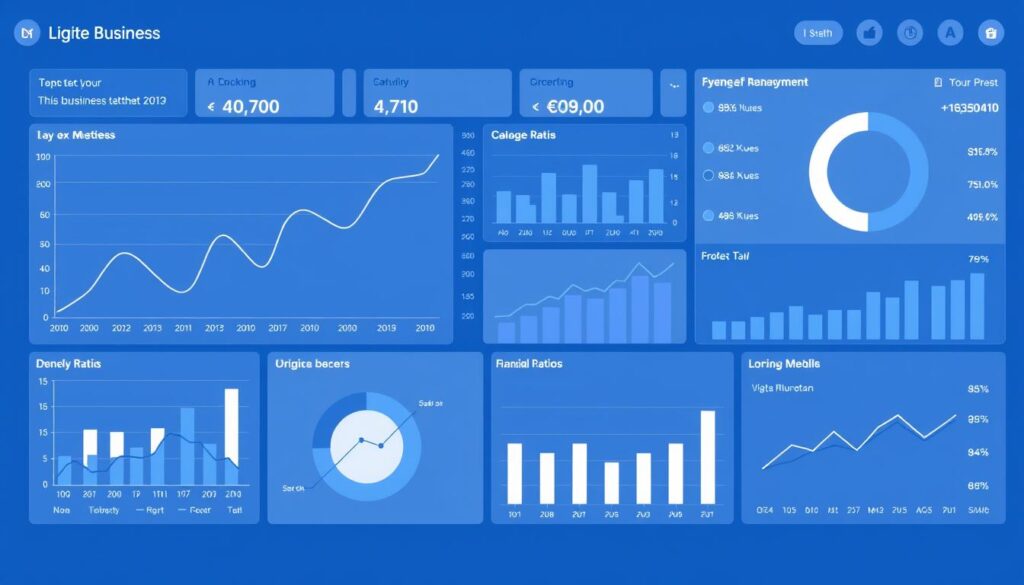
Company: Bright Brew Coffee Shop
Situation: The owner wants to evaluate the business’s financial health and determine if expansion is feasible.
Key Financial Data:
- Annual Revenue: $360,000
- Cost of Goods Sold: $144,000
- Operating Expenses: $180,000
- Net Profit: $36,000
- Current Assets: $75,000
- Current Liabilities: $30,000
- Total Debt: $120,000
- Total Equity: $150,000
Ratio Analysis:
- Gross Profit Margin: ($360,000 – $144,000) ÷ $360,000 = 60%
- Net Profit Margin: $36,000 ÷ $360,000 = 10%
- Current Ratio: $75,000 ÷ $30,000 = 2.5
- Debt-to-Equity Ratio: $120,000 ÷ $150,000 = 0.8
Analysis Insights:
- The 60% gross margin is strong for the coffee industry (typically 55-65%)
- The 10% net profit margin is healthy (industry average is 7-9%)
- Current ratio of 2.5 indicates good short-term liquidity (above the ideal 2:1 ratio)
- Debt-to-equity ratio of 0.8 shows balanced financing with moderate risk
Recommendation: Based on the analysis, Bright Brew is financially healthy with above-average profitability and good liquidity. The business could reasonably consider expansion, potentially using a mix of retained earnings and additional debt financing given the current moderate debt level.
Get Expert Financial Analysis
Not confident in analyzing your own financials? Our team of experts can review your business data and provide actionable insights to improve performance.
Best Tools for Financial Business Planning
The right tools can dramatically simplify the financial planning process, especially for beginners. Here’s a selection of tools to consider based on your business needs and budget.

Accounting and Financial Management Software
QuickBooks Online
Best for: Small to medium businesses needing comprehensive accounting
Key features: Invoicing, expense tracking, financial reporting, payroll integration
Price range: $25-$180/month
Xero
Best for: Growing businesses with multiple users
Key features: Bank reconciliation, inventory management, project tracking
Price range: $12-$65/month
FreshBooks
Best for: Service-based businesses and freelancers
Key features: Time tracking, project management, client portal
Price range: $15-$55/month
Financial Planning and Forecasting Tools
LivePlan
Best for: Creating comprehensive business and financial plans
Key features: Step-by-step guidance, financial forecasting, performance tracking
Price range: $20/month
Adaptive Planning
Best for: Medium to large businesses needing advanced forecasting
Key features: Scenario planning, rolling forecasts, dashboard reporting
Price range: Custom pricing
PlanGuru
Best for: Detailed financial forecasting and analysis
Key features: 20+ forecasting methods, ratio analysis, what-if scenarios
Price range: $99-$399/month
Free and Low-Cost Excel Templates
For businesses on a tight budget, Excel templates offer a cost-effective starting point for financial planning.
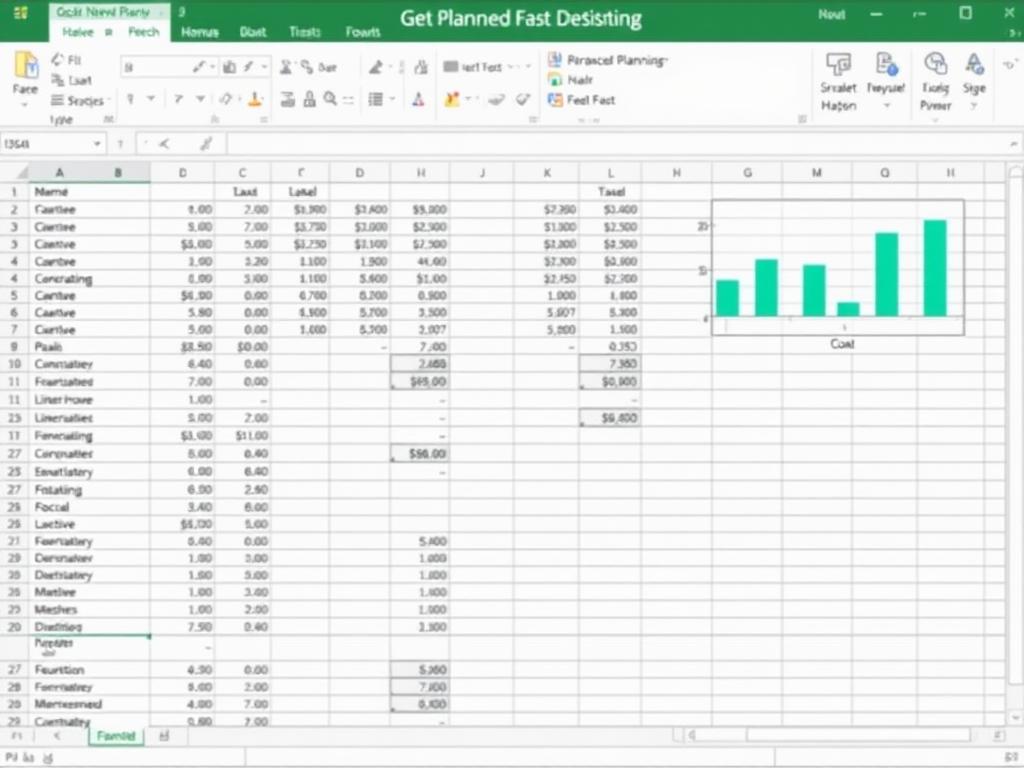
Templates You Can Use
- SCORE Financial Projections Template: Comprehensive template from the Small Business Administration’s mentoring partner
- Microsoft Office Templates: Free financial planning templates available within Excel or from the Microsoft website
- Google Sheets Templates: Free templates in the Google Sheets template gallery
Pro Tip: Even when using templates, customize them to fit your specific business model and industry. Generic templates may miss important nuances unique to your situation.
How to Automate Financial Business Processes
Automation saves time and reduces errors in financial planning and management. Here are key processes worth automating:
- Invoice generation and delivery: Set up systems to automatically create and send invoices when products ship or services complete
- Expense categorization: Use software that automatically categorizes expenses based on vendor or transaction type
- Financial report generation: Schedule automatic creation of key reports at regular intervals
- Bank reconciliation: Implement automatic matching of transactions between your accounting system and bank statements
- Tax preparation: Use systems that automatically track tax-relevant transactions throughout the year
“Automation applied to an inefficient operation will magnify the inefficiency.”
Start by automating one process at a time, beginning with the most time-consuming or error-prone tasks. This incremental approach prevents overwhelm and allows you to refine each automated process before moving to the next.
Streamline Your Financial Management
Discover how our financial management platform can automate your most time-consuming tasks while providing real-time insights into your business performance.
Step-by-Step Strategy to Implement Your Financial Plan
Creating a financial plan is only the first step—implementing it effectively is what drives results. Here’s a practical strategy to put your plan into action.

Phase 1: Preparation (Weeks 1-2)
- Organize your financial documentation: Create a centralized system for storing and accessing all financial records
- Select and set up your tools: Choose and implement the software or templates you’ll use
- Establish baseline metrics: Document your current financial position as the starting point
- Create a financial calendar: Schedule regular activities like reviews, report generation, and tax deadlines
Phase 2: Initial Implementation (Weeks 3-6)
- Begin tracking transactions: Record all financial activities according to your plan
- Implement budgetary controls: Establish approval processes for expenses exceeding certain thresholds
- Train team members: Ensure everyone understands their role in the financial plan
- Create your first set of financial reports: Generate initial statements to verify your systems are working
Phase 3: Monitoring and Adjustment (Months 2-3)
- Conduct your first monthly review: Compare actual results to projections
- Identify and address variances: Investigate significant differences between actual and projected figures
- Refine processes: Adjust any workflows that are proving inefficient or problematic
- Update projections: Revise forecasts based on actual performance data
Phase 4: Optimization (Months 4-6)
- Analyze financial trends: Look for patterns in your first few months of data
- Implement efficiency improvements: Address any bottlenecks or unnecessary costs
- Expand financial analysis: Begin calculating key ratios and more detailed metrics
- Develop response plans: Create specific action plans for common financial scenarios
Implementation Tip: Assign specific owners to each part of your financial plan. When everyone knows their responsibilities, implementation proceeds more smoothly and accountability increases.
How to Track Financial Business Performance
Effective tracking ensures your financial plan stays on course and helps identify both problems and opportunities early.
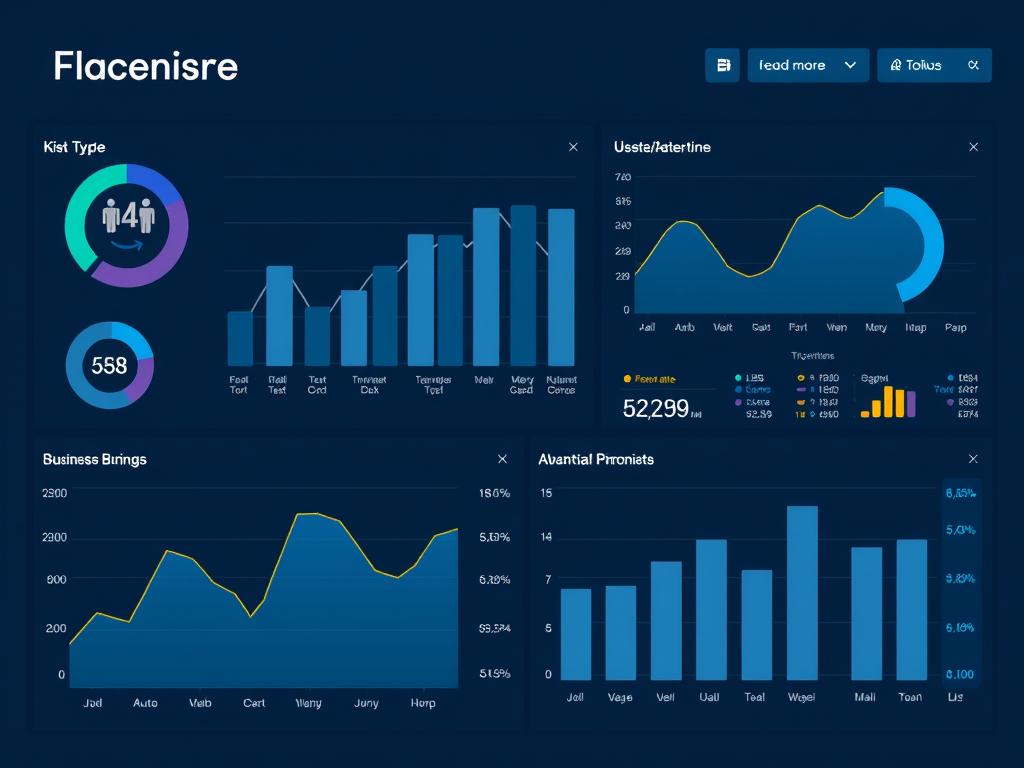
Essential Metrics to Track
Revenue Metrics:
- Monthly/quarterly revenue growth
- Revenue by product/service line
- Average transaction value
- Customer acquisition cost
Profitability Metrics:
- Gross profit margin
- Operating profit margin
- Net profit margin
- Return on investment (ROI)
Cash Flow Metrics:
- Operating cash flow
- Free cash flow
- Cash conversion cycle
- Days sales outstanding
Operational Metrics:
- Inventory turnover
- Employee productivity
- Customer retention rate
- Fixed vs. variable costs ratio
Creating an Effective Tracking System
- Define key performance indicators (KPIs): Select 5-10 metrics most relevant to your business goals
- Establish measurement frequency: Determine how often each metric should be reviewed
- Create visual dashboards: Develop easy-to-understand visualizations of your key metrics
- Set alert thresholds: Define values that trigger notifications when metrics fall outside acceptable ranges
- Schedule regular reviews: Set aside dedicated time to analyze performance data
“What gets measured gets managed.”
Financial Business Growth Strategies
Once your financial plan is implemented and tracking systems are in place, you can focus on strategic growth. Here are proven approaches:
Market Penetration
Sell more existing products to current customers through:
- Loyalty programs
- Volume discounts
- Cross-selling related products
- Increased marketing to current audience
Market Expansion
Sell existing products to new customer segments via:
- Geographic expansion
- Targeting new demographics
- Entering new distribution channels
- International markets
Product Development
Create new products for existing customers through:
- Customer feedback analysis
- R&D investment
- Complementary product lines
- Premium or budget versions
Each growth strategy requires different financial resources and carries different risks. Your financial plan should account for the specific strategy you choose, with appropriate capital allocation and risk management measures.
Take Your Financial Planning to the Next Level
Ready for personalized guidance? Our financial planning experts can help you develop and implement a customized plan aligned with your specific business goals.
Frequently Asked Questions About Financial Business Planning
How often should I update my financial business plan?
At minimum, review and update your financial plan quarterly. However, certain components require more frequent attention:
- Cash flow projections: Monthly or weekly for businesses with tight cash flow
- Sales forecasts: Monthly to reflect current market conditions
- Expense budgets: Monthly to track variances
- Complete financial plan: Annual comprehensive update
Additionally, significant business changes (new products, market expansion, major investments) should trigger an immediate plan review and update.
What’s the difference between a business plan and a financial plan?
A business plan is a comprehensive document outlining your business concept, market analysis, organizational structure, marketing strategy, and financial projections. It answers “what” your business will do and “why” it will succeed.
A financial plan is a component of the business plan focused specifically on monetary aspects. It details “how” the business will manage resources, generate revenue, control costs, and achieve profitability. While a business plan may be created once with occasional updates, a financial plan requires regular revision as conditions change.
How do I create financial forecasts with no historical data for a new business?
Creating forecasts for a new business requires research-based estimates:
- Industry benchmarks: Research average performance metrics for similar businesses in your industry
- Market research: Conduct surveys or interviews with potential customers to gauge demand
- Competitor analysis: Study similar businesses to understand their growth trajectory
- Expert consultation: Speak with industry veterans or business advisors
- Start small: Begin with conservative estimates and create multiple scenarios (best-case, worst-case, most likely)
Remember that initial forecasts will be imperfect. The key is to establish a baseline that you can refine as you gather actual performance data.
What financial ratios are most important for small businesses to track?
While important ratios vary by industry, these five provide valuable insights for most small businesses:
- Current Ratio: Measures short-term liquidity (Current Assets ÷ Current Liabilities)
- Gross Profit Margin: Shows production efficiency ((Revenue – COGS) ÷ Revenue)
- Net Profit Margin: Indicates overall profitability (Net Profit ÷ Revenue)
- Inventory Turnover: Reveals how quickly inventory sells (COGS ÷ Average Inventory)
- Debt-to-Equity Ratio: Shows financial leverage (Total Debt ÷ Total Equity)
Compare your ratios to industry averages and track trends over time rather than focusing solely on absolute values.
How do I manage financial business risks effectively?
Effective financial risk management involves:
- Identification: Regularly assess potential risks to your business finances
- Quantification: Estimate the potential impact and likelihood of each risk
- Prioritization: Focus on high-impact, high-probability risks first
- Mitigation: Develop specific strategies to reduce each significant risk
- Monitoring: Continuously track risk indicators and the effectiveness of mitigation strategies
Common financial risk mitigation strategies include maintaining adequate cash reserves, diversifying revenue streams, implementing strong internal controls, obtaining appropriate insurance coverage, and developing contingency plans for various scenarios.
What are the best financial business forecasting techniques for beginners?
Beginners should start with these accessible forecasting techniques:
- Simple moving average: Use the average of past periods to predict future performance
- Percentage growth method: Apply a consistent growth percentage based on market research or industry averages
- Sales pipeline analysis: Project revenue based on prospects at different stages in your sales process
- Unit economics approach: Forecast based on the number of units/customers and average revenue per unit/customer
As you gain experience and collect more data, you can progress to more sophisticated techniques like regression analysis or scenario planning.
How detailed should my financial business budget be?
The ideal level of detail depends on your business size and complexity. For most small businesses:
- Revenue: Break down by product/service line and major customer segments
- Cost of Goods Sold: Separate by major component categories
- Operating Expenses: Categorize into 10-15 main categories (rent, utilities, salaries, marketing, etc.)
- Capital Expenditures: List individual major purchases separately
The key is finding the right balance—too little detail obscures important information, while too much detail becomes unmanageable. Focus on areas where you have control and where variations significantly impact your bottom line.
What financial business tax planning tips should beginners know?
Effective tax planning for small businesses includes:
- Choose the right business structure: Different entities (sole proprietorship, LLC, S-Corp) have different tax implications
- Maintain separate business accounts: Never mix personal and business finances
- Track all legitimate business expenses: Use accounting software to categorize expenses properly
- Set aside tax payments regularly: Establish a separate account for estimated tax payments
- Understand deductions: Learn which expenses are fully or partially deductible
- Consider timing: Accelerate deductions or defer income when advantageous
- Consult a tax professional: Work with someone who specializes in small business taxation
Tax planning should be a year-round activity, not just a tax season concern. Regular reviews with a tax professional can identify opportunities and prevent costly mistakes.
How can I improve financial business efficiency?
To improve financial efficiency:
- Automate routine tasks: Use technology for invoicing, payment processing, and reconciliation
- Implement paperless systems: Reduce costs associated with printing, storage, and manual processing
- Review and negotiate vendor contracts: Regularly assess whether you’re getting the best terms
- Optimize inventory levels: Maintain enough stock to meet demand without tying up excess capital
- Improve accounts receivable processes: Reduce days sales outstanding with clear terms and follow-up procedures
- Conduct regular expense audits: Identify and eliminate unnecessary or underutilized services
- Cross-train employees: Ensure financial functions can continue during absences
Even small efficiency improvements can significantly impact your bottom line when implemented consistently across your operations.
What are the best financial business reporting best practices?
Effective financial reporting follows these best practices:
- Consistency: Use the same formats, definitions, and time periods for all reports
- Timeliness: Generate reports soon after period close (within 5-10 business days)
- Relevance: Customize reports to highlight information most critical to your business
- Accuracy: Implement review processes to catch and correct errors
- Clarity: Use clear labels, summaries, and visualizations to make reports accessible
- Context: Include comparisons to prior periods, budgets, and industry benchmarks
- Action orientation: Highlight variances requiring attention and include recommended actions
The most valuable financial reports aren’t necessarily the most complex—they’re the ones that provide actionable insights in a format decision-makers can readily understand and use.
Building Your Financial Future: Next Steps
Financial planning isn’t a one-time task but an ongoing process that evolves with your business. By following the step-by-step approach outlined in this guide, you’ve laid the groundwork for sound financial management and decision-making.
Remember that even the most sophisticated financial plan is simply a tool—its value comes from how you use it to guide your business. Regular reviews, thoughtful analysis, and willingness to adapt are what transform a financial plan from a document into a powerful business asset.
As you implement your financial plan, focus on continuous improvement rather than perfection. Each cycle of planning, implementation, and review will strengthen your financial management skills and your business’s financial health.

Ready to Transform Your Business Finances?
Get our complete Financial Planning Toolkit including templates, calculators, and step-by-step implementation guides designed specifically for beginners.
By investing time in financial planning now, you’re setting your business on a path to sustainable growth, profitability, and long-term success. The financial clarity you gain will empower you to make confident decisions, seize opportunities, and navigate challenges with resilience.