
Understanding Cash Flow Management for Small Businesses
Cash flow management is the process of tracking, analyzing, and optimizing the flow of money in and out of your business. It’s about ensuring you have enough liquidity to meet your obligations while maximizing the productive use of your capital.
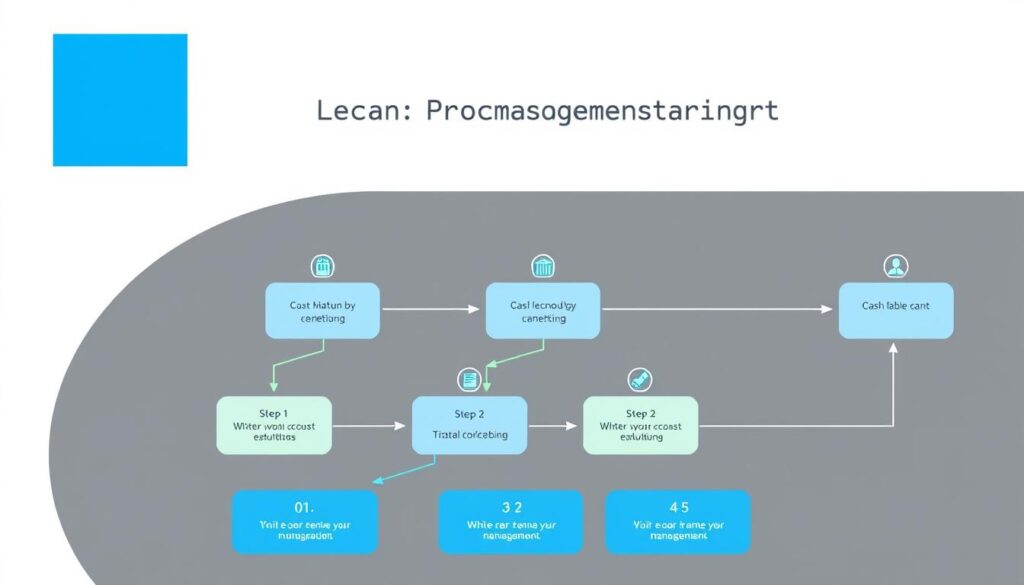
The cash flow cycle: Understanding the movement of money through your business
The Three Types of Cash Flow Every Business Owner Should Monitor
To effectively manage your financial business performance, you need to understand the three main categories of cash flow:
| Cash Flow Type | Definition | Examples | Business Impact |
| Operating Cash Flow | Money generated from core business activities | Sales revenue, supplier payments, rent, payroll | Indicates if your core business model is sustainable |
| Investing Cash Flow | Money used for long-term asset acquisition or disposal | Equipment purchases, property investments, asset sales | Shows how you’re investing in future capacity |
| Financing Cash Flow | Money from investors, lenders, and repayments | Loans, equity investments, debt repayments, dividends | Reflects how you’re structuring your capital foundation |
Key Cash Flow Metrics for Financial Business Analysis
When developing your financial business management strategy, focus on these critical metrics:
- Cash Conversion Cycle (CCC): The time it takes to convert investments in inventory and other resources into cash flows from sales
- Days Sales Outstanding (DSO): Average number of days it takes to collect payment after a sale
- Days Payable Outstanding (DPO): Average number of days your business takes to pay creditors
- Days Inventory Outstanding (DIO): Average number of days inventory is held before being sold
- Operating Cash Flow Ratio: Operating cash flow divided by current liabilities, indicating ability to service short-term debt
Understanding these metrics is essential for how to create a financial business plan that addresses both short-term liquidity needs and long-term growth objectives.
Why Cash Flow Management Is Critical for Small Businesses

The importance of effective cash flow management cannot be overstated for small businesses. According to a JP Morgan Chase study, the average small business has only 27 days of cash reserves—highlighting how quickly cash flow problems can become existential threats.
“Never take your eyes off the cash flow because it’s the lifeblood of the business.” – Richard Branson
The Real Cost of Poor Cash Flow Management
Financial business management tips often focus on profitability, but cash flow problems can sink even profitable companies. Consider these consequences:
Immediate Impacts
- Inability to pay employees and suppliers on time
- Late payment fees and damaged vendor relationships
- Missed early payment discounts (typically 2-5%)
- Emergency borrowing at unfavorable rates
Long-term Consequences
- Missed growth opportunities requiring quick action
- Inability to invest in productivity-enhancing technology
- Reduced negotiating power with suppliers
- Stress and decision-making under pressure
Benefits of Strategic Cash Flow Management
Implementing financial business forecasting techniques and proper cash management delivers significant advantages:
Learning how to track financial business performance through effective cash flow management creates a foundation for sustainable growth and competitive advantage.
10 Effective Cash Flow Management Techniques for Small Businesses
Implementing these proven small business cash flow management techniques will help you maintain financial stability while positioning your business for growth.

1. Accelerate Cash Inflows
One of the most effective financial business cash flow improvement tips is to speed up the rate at which money enters your business:
- Invoice promptly: Send invoices immediately after delivering products or services
- Offer early payment incentives: Consider 2-3% discounts for payments within 10 days
- Implement digital payment options: Make it easier for customers to pay you quickly
- Request deposits or milestone payments: For larger projects, secure partial payments upfront
- Review and optimize pricing: Ensure your prices reflect value and cover all costs
2. Manage Accounts Receivable Strategically
Strengthening your collection processes is crucial for maintaining healthy cash flow:
- Establish clear payment terms: Communicate expectations upfront in contracts and invoices
- Implement automated reminders: Send payment reminders at strategic intervals
- Conduct credit checks: Assess new customers’ payment history before extending terms
- Track aging accounts: Monitor outstanding invoices with an aging report
- Develop a collections process: Create a standardized approach for following up on late payments
Streamline Your Accounts Receivable Process
Download our free Accounts Receivable Tracking Template to monitor outstanding invoices and improve your collection rate.
3. Optimize Payment Terms with Suppliers
Managing your accounts payable is just as important as handling receivables:
- Negotiate extended payment terms: Aim for net-30 or net-60 terms with suppliers
- Prioritize payments strategically: Pay critical vendors first and others according to terms
- Take advantage of early payment discounts: When cash flow allows and the discount exceeds your cost of capital
- Establish vendor relationships: Build rapport that may provide flexibility during tight periods
- Schedule payments optimally: Time payments to maintain cash reserves while avoiding late fees
4. Implement Cash Flow Forecasting
Forecasting is one of the most powerful financial business forecasting techniques for proactive management:

- Create 13-week rolling forecasts: Provide detailed short-term visibility
- Develop multiple scenarios: Prepare best-case, worst-case, and most likely projections
- Identify seasonal patterns: Anticipate and prepare for cyclical fluctuations
- Monitor key indicators: Track metrics that serve as early warning signs
- Update regularly: Revise forecasts as new information becomes available
5. Manage Inventory Efficiently
Excess inventory ties up cash that could be used elsewhere in your business:
- Implement just-in-time inventory: Reduce holding costs by timing deliveries with needs
- Identify slow-moving items: Liquidate stagnant inventory to free up cash
- Negotiate consignment arrangements: Pay suppliers only after items sell
- Use inventory management software: Track stock levels and automate reordering
- Analyze carrying costs: Calculate the true cost of holding inventory
6. Build Cash Reserves
Creating a financial cushion is essential for business stability:
- Set target reserve levels: Aim for 3-6 months of operating expenses
- Establish a dedicated savings account: Separate reserves from operating funds
- Automate contributions: Transfer a percentage of revenue automatically
- Invest excess cash wisely: Balance liquidity needs with return potential
- Resist the temptation to tap reserves: Use only for genuine emergencies or strategic opportunities
7. Leverage Technology for Automation
Using the best tools for financial business planning can dramatically improve efficiency:
- Implement accounting software: Automate bookkeeping and financial reporting
- Use electronic invoicing: Speed up billing and payment processes
- Set up automatic payment reminders: Reduce time spent on collections
- Integrate bank feeds: Get real-time visibility into cash positions
- Utilize expense management apps: Streamline expense tracking and approval
8. Optimize Pricing and Revenue Streams
Strategic pricing is a powerful but often overlooked cash flow management technique:
- Conduct regular pricing reviews: Ensure prices reflect costs and market conditions
- Implement value-based pricing: Price according to customer-perceived value
- Consider subscription models: Create predictable recurring revenue
- Diversify revenue streams: Reduce dependency on any single source
- Test price elasticity: Determine how sensitive customers are to price changes
9. Control and Reduce Expenses
Managing outflows is crucial for how to improve financial business efficiency:
Fixed Expenses
- Renegotiate leases and contracts
- Review insurance coverage
- Audit subscription services
- Consider outsourcing vs. in-house
Variable Expenses
- Implement approval workflows
- Set departmental budgets
- Batch purchases for discounts
- Monitor utility usage
10. Plan for Growth and Contingencies
Strategic planning is essential for sustainable financial business growth strategies:
- Create a cash flow-based growth plan: Ensure expansion is supported by adequate cash
- Establish credit lines before needed: Secure financing while in a position of strength
- Develop contingency plans: Prepare responses to potential cash flow disruptions
- Conduct regular financial reviews: Schedule quarterly assessments of financial position
- Seek professional advice: Consult with financial advisors for optimization strategies
Master Cash Flow Management Techniques
Get our comprehensive Cash Flow Management Playbook with step-by-step implementation guides for all 10 techniques.
Essential Tools for Small Business Cash Flow Management
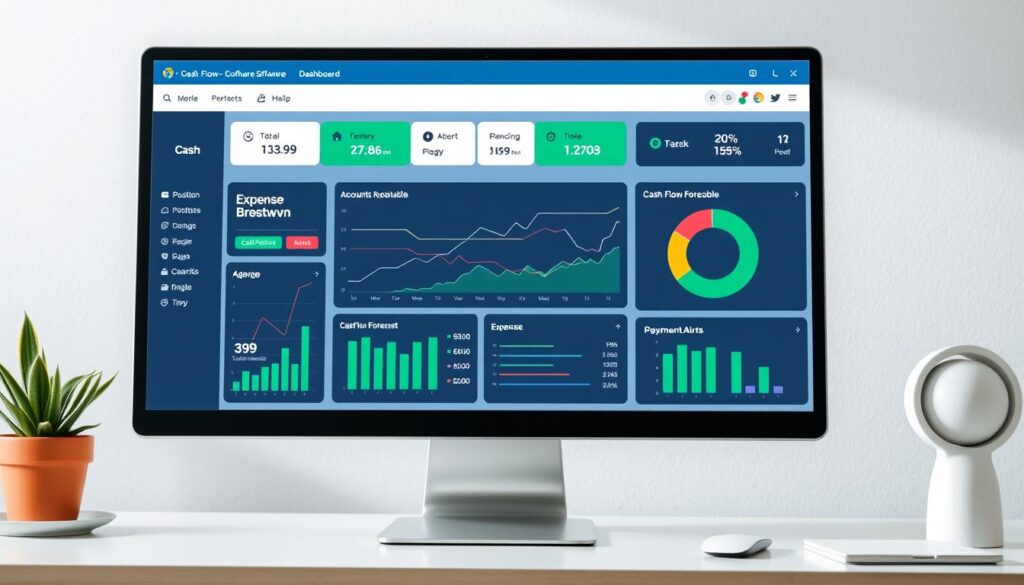
Implementing the right tools is crucial for how to automate financial business processes and maintain optimal cash flow.
Accounting and Financial Management Software
The foundation of effective cash flow management starts with robust accounting tools:
| Tool Type | Key Features | Popular Options | Best For |
| All-in-One Accounting | Financial reporting, invoicing, expense tracking, bank reconciliation | QuickBooks, Xero, FreshBooks | Comprehensive financial management |
| Cash Flow Forecasting | Scenario planning, projection modeling, variance analysis | Float, Pulse, Fluidly | Forward-looking cash management |
| Accounts Receivable | Invoice automation, payment reminders, aging reports | Bill.com, InvoiceSherpa, Chaser | Optimizing collections |
| Expense Management | Receipt capture, approval workflows, spending analytics | Expensify, Ramp, Divvy | Controlling outflows |
| Inventory Management | Stock level tracking, reorder automation, cost analysis | Cin7, Zoho Inventory, Fishbowl | Optimizing inventory investment |
Excel-Based Cash Flow Management Tools
For businesses seeking customizable solutions, Excel provides powerful financial business tools for entrepreneurs:
- Cash Flow Projection Template: Create detailed forecasts with customizable time periods
- Cash Flow Statement Template: Track historical cash movements by category
- Accounts Receivable Aging Template: Monitor outstanding customer payments
- Accounts Payable Schedule: Optimize the timing of vendor payments
- Break-Even Analysis Calculator: Determine when your business will become cash-positive
Banking and Payment Solutions
Modern banking tools can significantly improve your cash flow management:
- Business checking with cash management features: Sweep accounts, zero-balance accounts
- Merchant services with fast settlement: Same-day or next-day availability of funds
- Mobile deposit capabilities: Deposit checks without visiting a branch
- Automated clearing house (ACH) services: Efficient electronic transfers
- Line of credit or business credit card: Flexible financing for short-term needs
Reporting and Analytics Tools
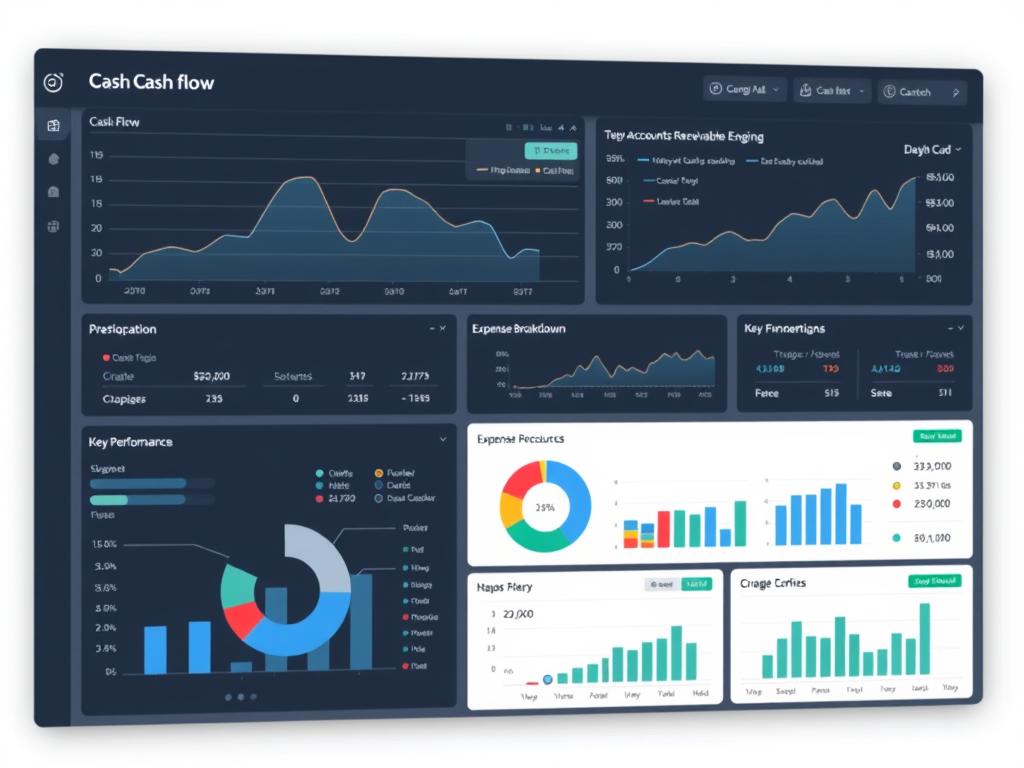
Data-driven decision making is essential for financial business reporting best practices:
- Business intelligence platforms: Transform financial data into actionable insights
- KPI dashboards: Monitor key metrics in real-time
- Financial ratio calculators: Track liquidity and efficiency metrics
- Cash flow variance analysis tools: Identify deviations from projections
- Benchmarking resources: Compare performance against industry standards
Optimize Your Cash Flow Management
Access our curated collection of Excel-based cash flow management templates designed specifically for small businesses.
Financial Analysis Example: Cash Flow Improvement Case Study
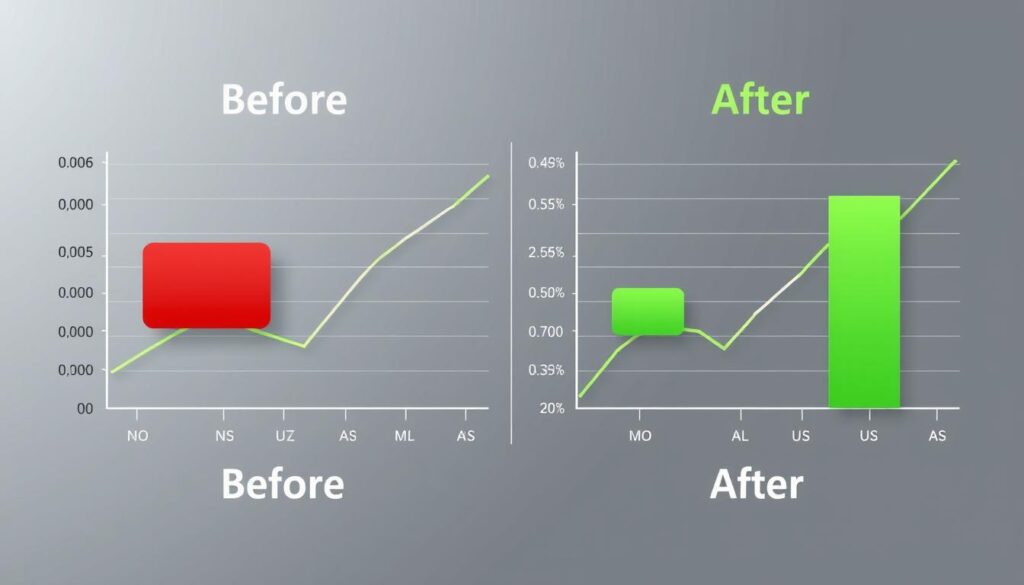
This small business financial analysis guide demonstrates how implementing proper cash flow management techniques transformed a struggling business.
Company Background
ABC Manufacturing, a small manufacturing business with $2.5 million in annual revenue, was experiencing severe cash flow problems despite being profitable on paper. Their cash conversion cycle was 75 days, creating significant liquidity challenges.
Initial Cash Flow Analysis
A comprehensive analysis revealed several issues affecting the company’s cash position:
| Cash Flow Component | Initial Metrics | Industry Benchmark | Gap |
| Days Sales Outstanding (DSO) | 45 days | 30 days | +15 days |
| Days Inventory Outstanding (DIO) | 60 days | 45 days | +15 days |
| Days Payable Outstanding (DPO) | 30 days | 45 days | -15 days |
| Cash Conversion Cycle | 75 days | 30 days | +45 days |
Implemented Cash Flow Management Strategies
The company implemented several key strategies to improve their cash position:
Accounts Receivable Improvements
- Implemented 2% discount for payments within 10 days
- Automated invoice delivery and follow-up
- Required deposits on large orders (50% upfront)
- Established credit check process for new customers
Inventory Optimization
- Implemented just-in-time inventory system
- Identified and liquidated slow-moving stock
- Negotiated consignment arrangements with suppliers
- Established minimum/maximum inventory levels
Accounts Payable Strategies
- Renegotiated payment terms with key suppliers to net-45
- Implemented strategic payment scheduling
- Consolidated vendors to increase buying power
- Established vendor evaluation process
Cash Flow Management Tools
- Implemented 13-week rolling cash flow forecast
- Deployed inventory management software
- Created cash flow dashboard with KPIs
- Established weekly cash flow review meetings
Results and Financial Impact
After six months of implementing these strategies, ABC Manufacturing achieved significant improvements:
| Metric | Before | After | Improvement | Financial Impact |
| Days Sales Outstanding | 45 days | 32 days | 13 days | $89,000 cash freed |
| Days Inventory Outstanding | 60 days | 40 days | 20 days | $137,000 cash freed |
| Days Payable Outstanding | 30 days | 45 days | 15 days | $103,000 cash retained |
| Cash Conversion Cycle | 75 days | 27 days | 48 days | $329,000 total improvement |
The business financial decision-making process improved dramatically with better cash flow visibility. The company was able to reduce its line of credit by $250,000, saving approximately $18,750 in annual interest costs, while maintaining sufficient liquidity for operations and growth initiatives.
Templates You Can Use: Excel-Based Cash Flow Solutions
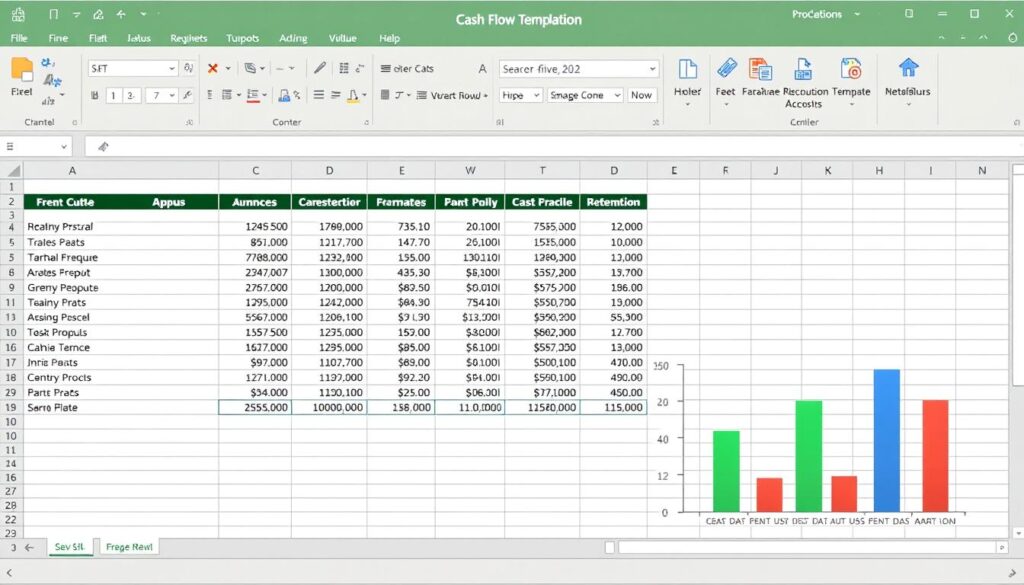
These customizable Excel templates will help you implement effective cash flow management in your business.
13-Week Cash Flow Forecast Template
This template provides detailed week-by-week visibility into your expected cash position:
- Features: Weekly cash inflow and outflow projections, running balance calculation, variance tracking
- Benefits: Identify potential cash shortfalls before they occur, optimize payment timing
- Best for: Businesses needing short-term cash flow visibility and planning
Cash Flow Statement Generator
Track historical cash flow with this comprehensive template:
- Features: Operating, investing, and financing cash flow sections, automatic calculations
- Benefits: Understand historical cash patterns, identify areas for improvement
- Best for: Financial reporting and analysis of past performance
Accounts Receivable Aging and Collections Tracker
Optimize your collections process with this detailed tracking template:
- Features: Customer payment history, aging buckets, automated follow-up scheduling
- Benefits: Reduce DSO, prioritize collection efforts, improve cash inflow
- Best for: Businesses with significant B2B sales on credit terms
Inventory Management and Cash Flow Optimizer
Balance inventory levels with cash flow requirements:
- Features: Inventory turnover analysis, reorder point calculations, cash impact projections
- Benefits: Reduce cash tied up in inventory while maintaining adequate stock levels
- Best for: Retail, manufacturing, and distribution businesses
Cash Flow Ratio Calculator
Monitor key financial ratios that impact your cash position:
- Features: Automated calculation of liquidity ratios, efficiency ratios, and cash flow metrics
- Benefits: Track financial health indicators, benchmark against industry standards
- Best for: Financial analysis and performance monitoring
Access All Cash Flow Templates
Download our complete set of Excel-based cash flow management templates to transform your business finances.
Step-by-Step Strategy for Implementing Cash Flow Management
Follow this comprehensive roadmap to build a financial business model that optimizes your cash flow.
Phase 1: Assessment and Analysis (Weeks 1-2)
- Conduct a cash flow auditReview the last 12 months of financial statements to identify patterns, bottlenecks, and opportunities. Calculate your current cash conversion cycle and compare it to industry benchmarks.
- Map your cash flow cycleDocument the complete journey of cash through your business, from initial investment to customer payment. Identify all points where cash enters and exits your business.
- Establish baseline metricsCalculate key performance indicators including DSO, DPO, DIO, and operating cash flow ratio. These will serve as your starting point for measuring improvement.
Phase 2: Strategy Development (Weeks 3-4)
- Set specific cash flow goalsEstablish clear, measurable objectives for improving your cash position. Examples include “Reduce DSO from 45 to 30 days” or “Increase cash reserves to cover 3 months of operating expenses.”
- Prioritize improvement opportunitiesBased on your audit, identify the areas that will yield the greatest cash flow impact with the least implementation effort. Focus on these high-leverage opportunities first.
- Select appropriate tools and systemsChoose the accounting software, forecasting tools, and templates that align with your business needs and technical capabilities.
Phase 3: Implementation (Weeks 5-8)
- Optimize accounts receivable processesImplement your new invoicing procedures, payment terms, and collection strategies. Train staff on the updated processes and communication approaches.
- Restructure accounts payable managementNegotiate with vendors, establish payment scheduling protocols, and implement approval workflows for expenses.
- Deploy cash flow forecasting systemSet up your 13-week rolling forecast and train key team members on maintaining and interpreting the projections.
Phase 4: Monitoring and Optimization (Ongoing)
- Establish regular review cadenceSchedule weekly cash flow reviews, monthly performance assessments, and quarterly strategic evaluations to maintain visibility and accountability.
- Track improvement metricsMonitor your key cash flow indicators against your baseline and goals, adjusting strategies as needed based on results.
- Continuously refine processesRegularly assess the effectiveness of your cash flow management system and implement incremental improvements based on new insights and changing business conditions.
Implementation Success Factors
Research shows that successful cash flow management implementations share these characteristics:
- Executive sponsorship and visible leadership support
- Clear assignment of cash flow responsibilities
- Regular communication of cash flow metrics to all stakeholders
- Integration of cash flow considerations into operational decisions
- Celebration of cash flow wins to reinforce positive behaviors
Frequently Asked Questions About Small Business Cash Flow Management
What is the difference between cash flow and profit?
Cash flow refers to the actual movement of money in and out of your business, while profit is a financial accounting concept that represents revenue minus expenses. A business can be profitable on paper but still face cash flow problems if, for example, customers haven’t paid their invoices or significant capital investments were made. Conversely, a business might have positive cash flow in a period where it shows an accounting loss, such as when receiving loan proceeds or selling assets.
How often should I update my cash flow forecast?
For most small businesses, cash flow forecasts should be updated weekly for short-term projections (13-week horizon) and monthly for longer-term forecasts. However, the optimal frequency depends on your business’s volatility, seasonality, and growth rate. Fast-growing or highly seasonal businesses may need more frequent updates. Additionally, you should update your forecast whenever significant events occur, such as landing a major new client, losing a key customer, or making substantial capital investments.
What are the most important cash flow metrics to track?
The most critical cash flow metrics for small businesses include:
- Operating Cash Flow: Cash generated from core business operations
- Cash Conversion Cycle: Time between paying for goods and receiving payment from customers
- Days Sales Outstanding (DSO): Average time to collect payment after a sale
- Days Payable Outstanding (DPO): Average time taken to pay vendors
- Cash Runway: How long current cash reserves will last at current burn rate
- Free Cash Flow: Operating cash flow minus capital expenditures
How can I improve cash flow quickly in an emergency?
When facing a cash flow crisis, consider these immediate actions:
- Accelerate collections by personally contacting customers with overdue invoices
- Offer one-time discounts for immediate payment of outstanding balances
- Negotiate extended payment terms with suppliers and vendors
- Delay non-essential purchases and capital expenditures
- Liquidate excess inventory through promotions or discounts
- Consider factoring invoices or accessing a line of credit
- Review subscription services and cancel non-essential ones
What are the tax implications of different cash flow management strategies?
Cash flow management decisions can have significant tax consequences. For example, accelerating expenses into the current tax year or deferring income to the next year can reduce current tax liability, improving short-term cash flow. However, these strategies must be implemented within tax law guidelines. Some specific considerations include:
- Timing of asset purchases to maximize depreciation benefits
- Structuring customer deposits and advance payments
- Tax implications of inventory valuation methods
- Treatment of accounts receivable write-offs
Always consult with a tax professional when implementing cash flow strategies with potential tax implications.
How should seasonal businesses manage cash flow differently?
Seasonal businesses face unique cash flow challenges and should implement these specialized strategies:
- Build larger cash reserves during peak seasons to cover off-season expenses
- Develop accurate seasonal forecasts based on multiple years of historical data
- Consider alternative revenue streams for off-season periods
- Negotiate seasonal payment terms with suppliers when possible
- Implement flexible staffing models to reduce labor costs during slow periods
- Secure lines of credit before they’re needed, ideally during strong cash flow periods
What role should a business line of credit play in cash flow management?
A business line of credit serves as a valuable cash flow management tool when used strategically. It should function primarily as a safety net for managing timing mismatches between cash inflows and outflows, not as a long-term financing solution for operational losses. Effective uses include:
- Covering short-term gaps in seasonal businesses
- Managing unexpected expenses or opportunities
- Providing buffer during growth phases when cash is reinvested
- Handling timing differences between inventory purchases and sales
To maximize its effectiveness, maintain a disciplined approach to drawing and repaying the line, and regularly review the terms to ensure they remain competitive.
How do I balance growth investments with cash flow management?
Balancing growth investments with cash flow stability requires a strategic approach:
- Develop a staged investment plan that ties capital deployment to cash flow milestones
- Consider alternative financing for growth initiatives (equipment leasing, vendor financing)
- Implement a portfolio approach to investments, balancing quick-return projects with longer-term strategic initiatives
- Maintain a minimum cash reserve threshold that cannot be breached for investment purposes
- Create detailed cash flow projections that incorporate both investment outflows and expected returns
What are the most common cash flow management mistakes?
Small businesses frequently make these cash flow management errors:
- Confusing profit with cash flow and making decisions based solely on P&L statements
- Failing to create and regularly update cash flow forecasts
- Growing too quickly without adequate cash reserves or financing
- Maintaining excess inventory that ties up working capital
- Not establishing clear credit policies and collection procedures
- Pricing products or services incorrectly, leading to inadequate margins
- Failing to negotiate favorable payment terms with suppliers
- Making major capital purchases without analyzing cash flow impact
How should I communicate cash flow information to stakeholders?
Effective cash flow communication varies by stakeholder group:
- For employees: Share high-level cash position and how it impacts operations and job security, emphasizing their role in improving cash flow
- For investors/lenders: Provide detailed cash flow statements, forecasts, and variance analyses, with clear explanations of significant changes
- For suppliers: Maintain transparent communication about payment capabilities, especially if challenges arise
- For business partners: Share relevant cash flow information that impacts joint initiatives or shared resources
Regardless of audience, focus on clarity, consistency, and appropriate level of detail. Use visual representations when possible, and always connect cash flow information to business strategy and outcomes.
Master Your Small Business Cash Flow for Sustainable Growth

Effective cash flow management is not merely a financial exercise—it’s the foundation of business stability and growth. By implementing the techniques and tools outlined in this guide, you’ll transform your approach to managing your business finances, moving from reactive firefighting to proactive planning.
Remember that cash flow management is an ongoing process that requires consistent attention and refinement. Start by implementing the strategies that will have the greatest immediate impact on your business, then gradually incorporate additional techniques as your systems mature.
The most successful businesses make cash flow management a core component of their financial business planning for beginners and experienced operators alike. With the right approach, you’ll not only avoid the cash flow crises that sink many small businesses but position yourself to capitalize on opportunities that drive sustainable growth.
Take Control of Your Business Cash Flow Today
Download our complete Small Business Cash Flow Management Toolkit, including all templates, guides, and implementation resources.